

©Mamz
February is Heart Month in Canada and the U.S. Today, as we write this post on February 6th, is National Wear Red Day, which is a day to raise awareness for heart disease in women.
As one of the leading cause of deaths throughout the world in both men and women, heart disease gets a lot of attention for good reason.
This topic is near and dear to our hearts (no pun intended). Our father, who would have celebrated his 89th birthday today, had heart disease and passed away 20 years ago. We know that through more exercise and better eating habits he could have prolonged his life.
What is Heart Disease?
According to the American Heart Association, heart disease “is a simple term used to describe several problems related to plaque buildup in the walls of the arteries, or atherosclerosis.” However, heart disease is often used as a catch-all term for other related diseases, such as Arrhythmia, Heart Attack, Stroke, Heart Failure, Cardiac Arrest, and many more that are due to issues like poor blood flow, build up of plaque in arteries, blockages, and/or electrical and valve malfunctions in the heart.
There are other diseases and health conditions that are also linked to heart disease and include high cholesterol, obesity, high blood pressure and diabetes. All of these may increase your risk for heart disease.
There is a lot well-researched information on all of these diseases and health factors, and we encourage you to delve deeper into that information, especially if you have a family history of heart disease. See our references below for good resources.
Focus on Heart Health
We want to join the awareness-raising effort on heart disease this month from the wellness perspective. Instead of talking more about the disease, we want to focus on those things that we can do to be more heart-healthy. For example, our lifestyle behaviors — what we eat and what we do — are two things we can directly control in our lives that may prevent heart disease.
Lifestyle Behaviors
Numerous studies show that regular physical activity lowers the risk of heart disease. The Guidelines for Physical Activity for Americans were developed based on a rigorous review of many of these studies. The US National Library of Medicine also cites numerous studies on the benefits of physical activity for health.
There is no question that getting exercise is one of the most important factors you can control to reduce your risk of heart disease. The evidence shows that adults who are physically active between 150 and 300 minutes per week obtain substantial overall health benefits. Moreover, the more active you are, the greater the health benefits.
Getting Active
 Some of you will look at the number of minutes and say, “What? How can I fit that into my busy day?” Three hundred minutes are just 5 hours per week. We all have 1 hour per day, even in 15-minute increments, to get active! Most of us are willing to stand in line for a Starbucks latte for 15 minutes! So, get that tall instead of venti latte to-go and walk for 15 minutes.
Doing anything that increases your heart rate above the resting level and that gets the oxygen and blood pumping through your system will do. Take 15 minutes to do jumping jacks, skipping rope with your kids, walking stairs in your apartment building. As an aside, there is a fabulously-fit lady in my building who walks the stairs every day – twenty-two flights, and she climbs them more than once!
Every bit of movement adds to the 300 plus minutes you need to achieve substantial health benefits. Browse through our earlier blog posts for exercise routines to get you going.
Eating Well for Your Heart

©Andrei Mihalcea
Obesity is another important area of research related to heart disease, since it leads to a number of other health issues, such as diabetes, that compound the risk of heart disease. Aim for a healthy weight, and in particular pay attention to your abdominal area. Excess fat (abdominal adiposity) in this area increases the risk of heart disease.
As we’ve suggested in past posts, eating a variety of fruits, vegetables, and whole grains is the best way to get the nutrients your body needs to stay healthy.
Heart-Healthy Foods
For added potency for heart health, include these foods into your regular nutrition:
Celery – High in potassium, zinc, vitamin E, and arginine; these nutrients help regulate blood pressure. Just 4 stalks a day can make the difference.
©Paulbrian
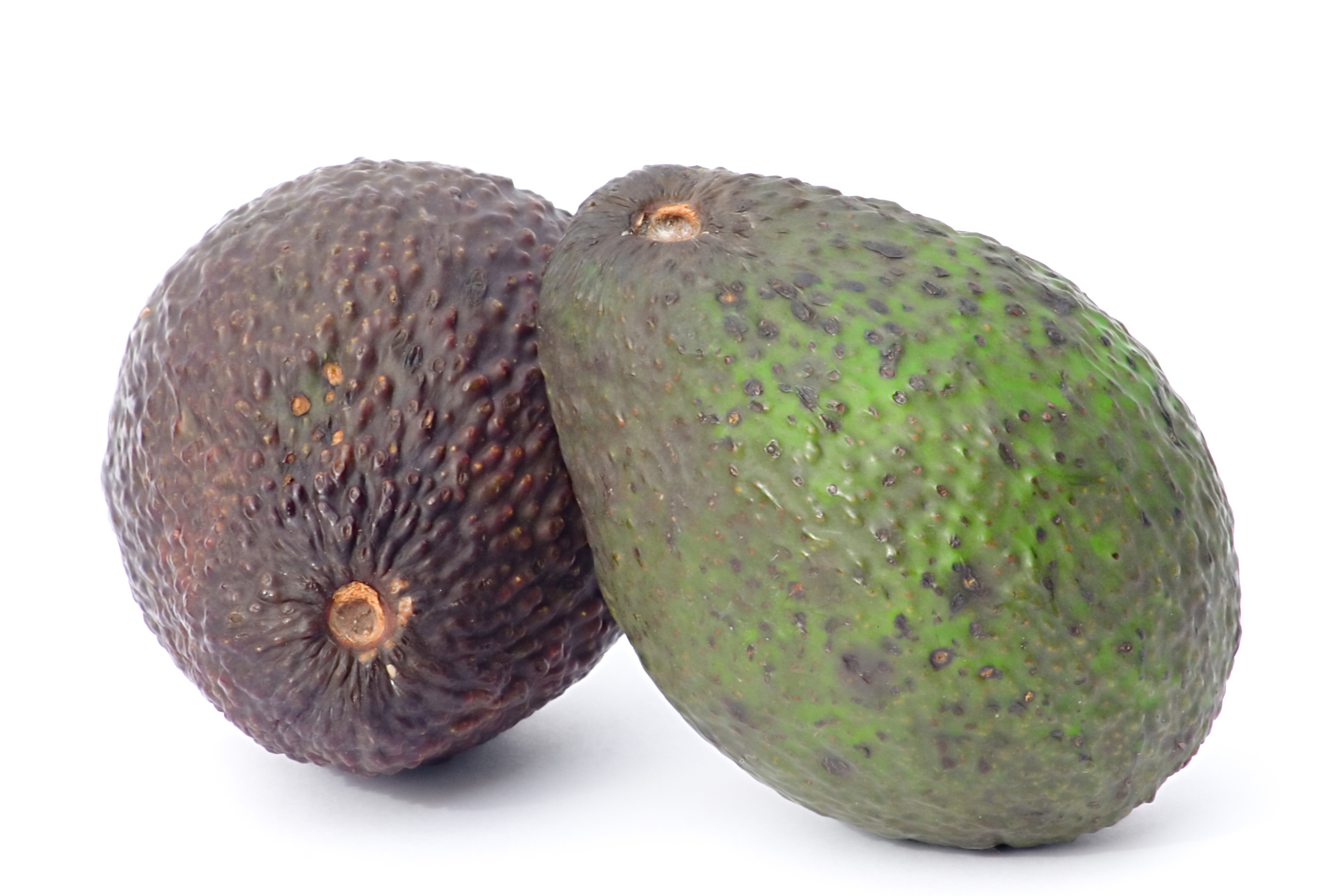
Avocado – As a nutrient dense fruit, it contains vitamin A, a number of B vitamins, niacin, folic acid, potassium, and amino acids. It improves circulation, lowers cholesterol, and dilates blood vessels. Aim for at least 1/2 per day.
Natural Almonds and walnuts – Both high in mono-unsaturated fat, they are known to protect arteries from damage. Even 1 ounce per day can help.
Bananas – High in potassium and low in sodium, this fruit balances blood pressure.
Green vegetables such as Spinach, broccoli, asparagus, and cabbage are high in minerals and fiber.
Other Lifestyle Behaviors
On a last note, we want to remind you that smoking and excessive alcohol consumption are both behaviors that have been linked with increased risk of heart disease.
During the month of February, assess your heart-healthy behaviors to determine your risk for cardiovascular disease. Then, take steps to create a heart-healthy life!
References:
- http://www.heart.org/HEARTORG/
- http://www.heartandstroke.com/site/c.ikIQLcMWJtE/b.2796497/k.F922/Heart_Disease_Stroke_and_Healthy_Living.htm
- http://www.cdc.gov/heartdisease/
- http://www.medicalnewstoday.com/articles/282929.php#heart_disease
- Harvard T.H. Chan – School of Public Health – Survey to assess your lifestyle behaviors and risk of heart disease –http://www.hsph.harvard.edu/nutritionsource/2014/11/19/healthy-heart-score-uses-lifestyle-behaviors-to-estimate-cardiovascular-disease-risk/





 (each direction)
 seconds each):


 Aspire, Perspire, Nourish Yourself
You must be logged in to post a comment.