
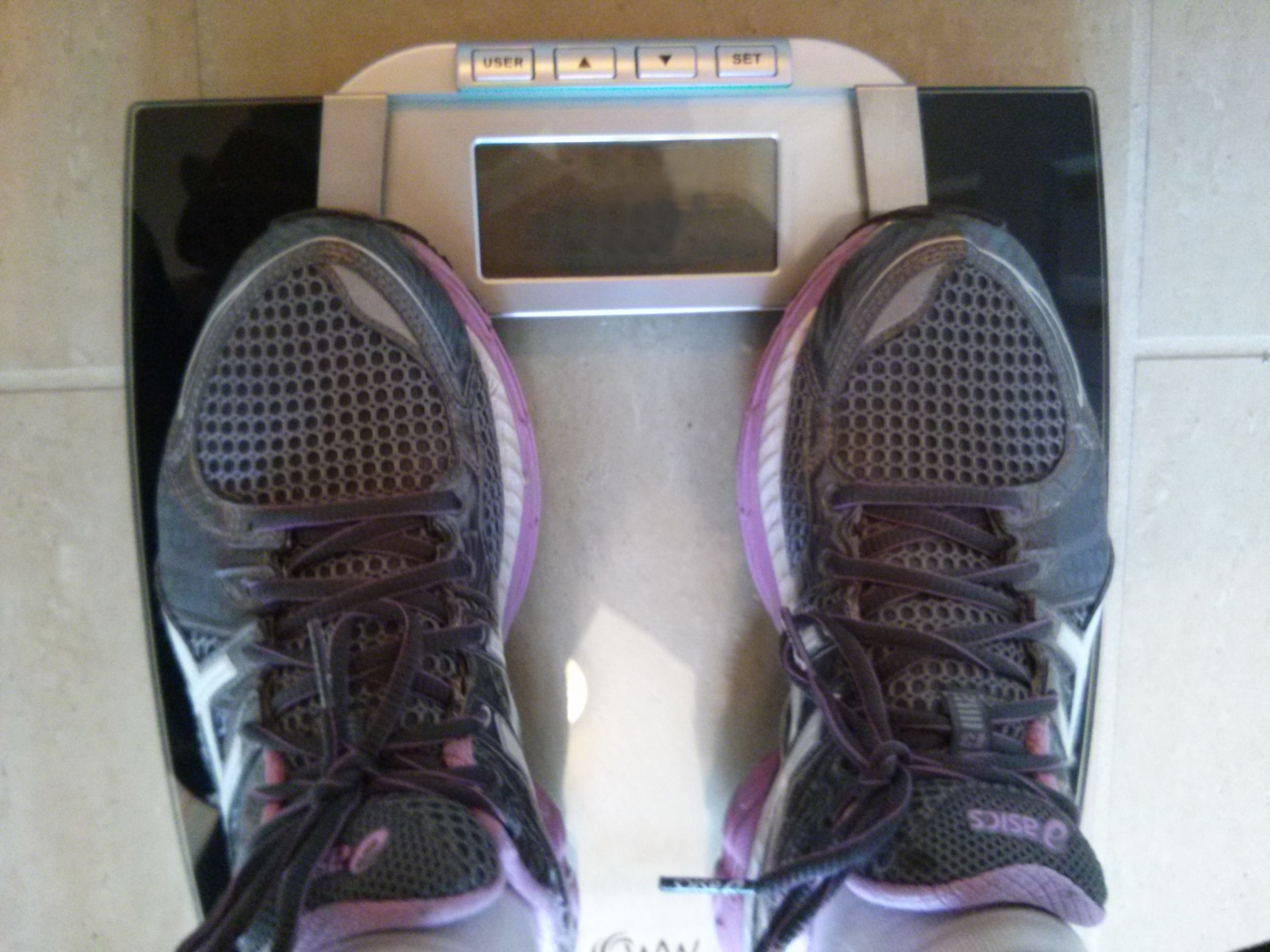
 The other day I overheard two women talking in the gym’s change room about a topic dear to many women’s hearts. One said to the other, “I said to my doctor, ‘I’m exercising so why am I not losing weight?’” The other woman laughed as the first woman also said that her doctor told her to stop eating. Actually she said, “I’m kidding. He told me that I needed to raise my heart rate.” Nutrition and exercise intensity may be two possible actions.
Her original question is not easy to answer since there may be many reasons for experiencing difficulty losing weight. Our bodies are made up of complex systems and use chemical processes that elegantly and continuously work together to support our functioning. When any one of the systems and/or processes are out of whack, they cause many reactions in our body in trying to get our bodies back into balance.
Although the most basic equation for weight loss is to increase the energy we expend through physical activity and decrease the energy we intake through food, there is much more to it than that!
Important Consideration for Weight Loss
We don’t pretend to have the answer to weight loss. We just want you to think about a number of factors when planning weight loss. We also urge you to investigate these further with your health care practitioner and fitness coach. Here are some issues that make our top list:
 Exercise and Physical Activity
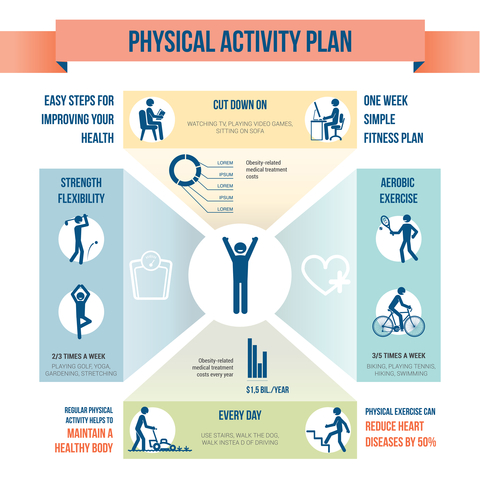
We burn energy even lying down and when sleeping. Our basal metabolic rate is the least energy we need to maintain our body’s functioning at rest. This basal metabolic rate affects how easily we burn energy and therefore contributes to fluctuations in weight, how fat is stored, and our body composition. We want to keep our metabolism running well and fast. Although everyone may have a metabolic set point based on genetics, studies have shown that this point can be changed by physical activity, nutrition, and environmental factors such as climate.
In general, exercise keeps your metabolism up. In addition, the intensity at which you exercise, i.e. working out at a higher heart rate, is important for charging up the chemicals like growth hormones, testosterone, insulin sensitivity, and other hormones in your body that provide additional fat loss benefits.
Muscle vs. Fat
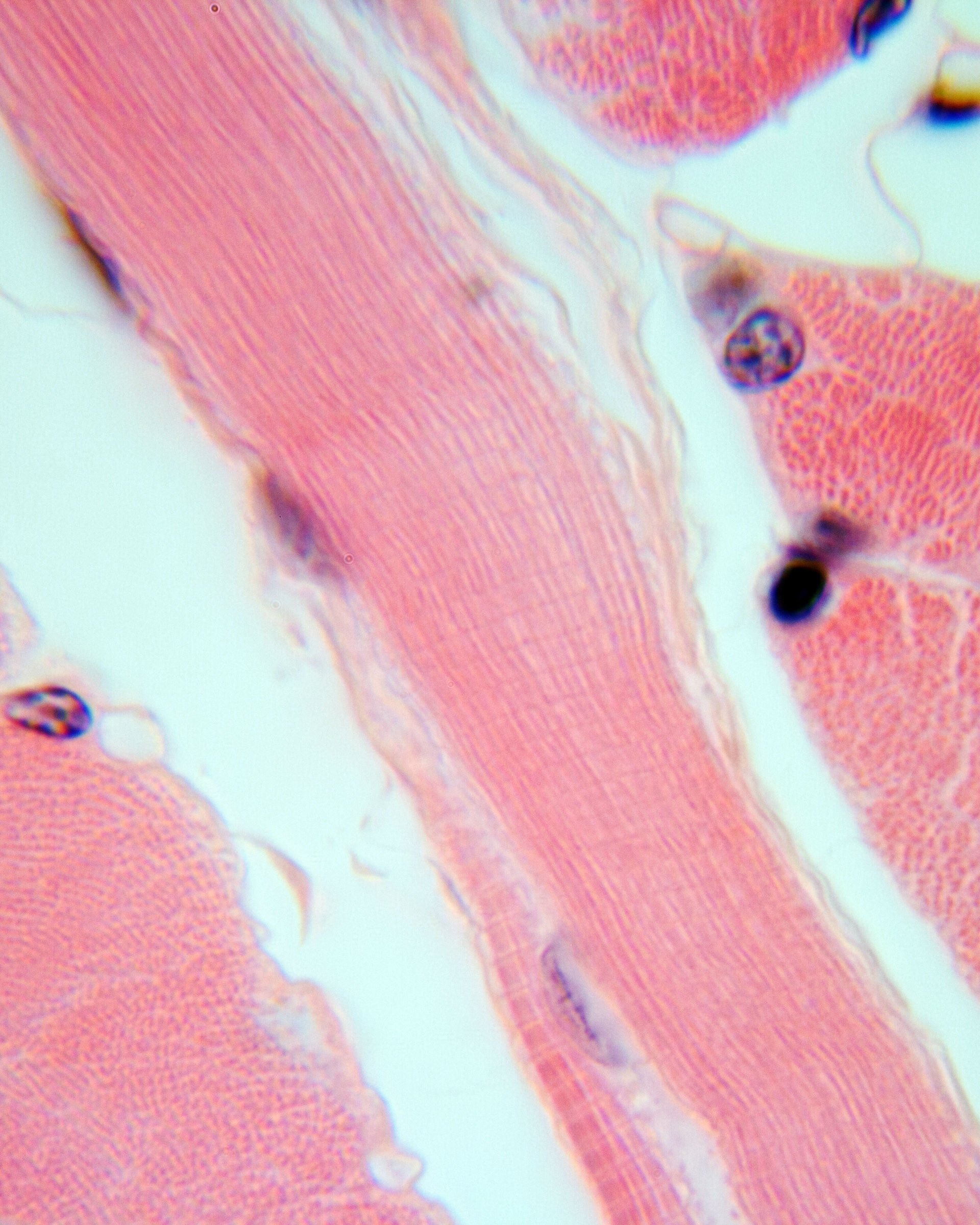
muscle photo credit: Freerange Stock
Why is muscle better than fat? The ratio of muscle to fat you have may also contribute to weight loss. Muscle weighs more than fat but it also burns more calories because it needs more energy. Studies have shown that strength training, which is used to build muscle, leads to calorie burn even after a workout is complete, while aerobic exercise did not have that effect (Ref 2). So, it is important to include strength training in your physical activity routine in order to build muscle and continue to burn calories.
Nutrition
We’ve said this before and we’ll say it again. Severely restricted diets do not work because they are not sustainable for the long-term. Your body needs energy to function so you need to give it enough good nutrition for your daily activities.
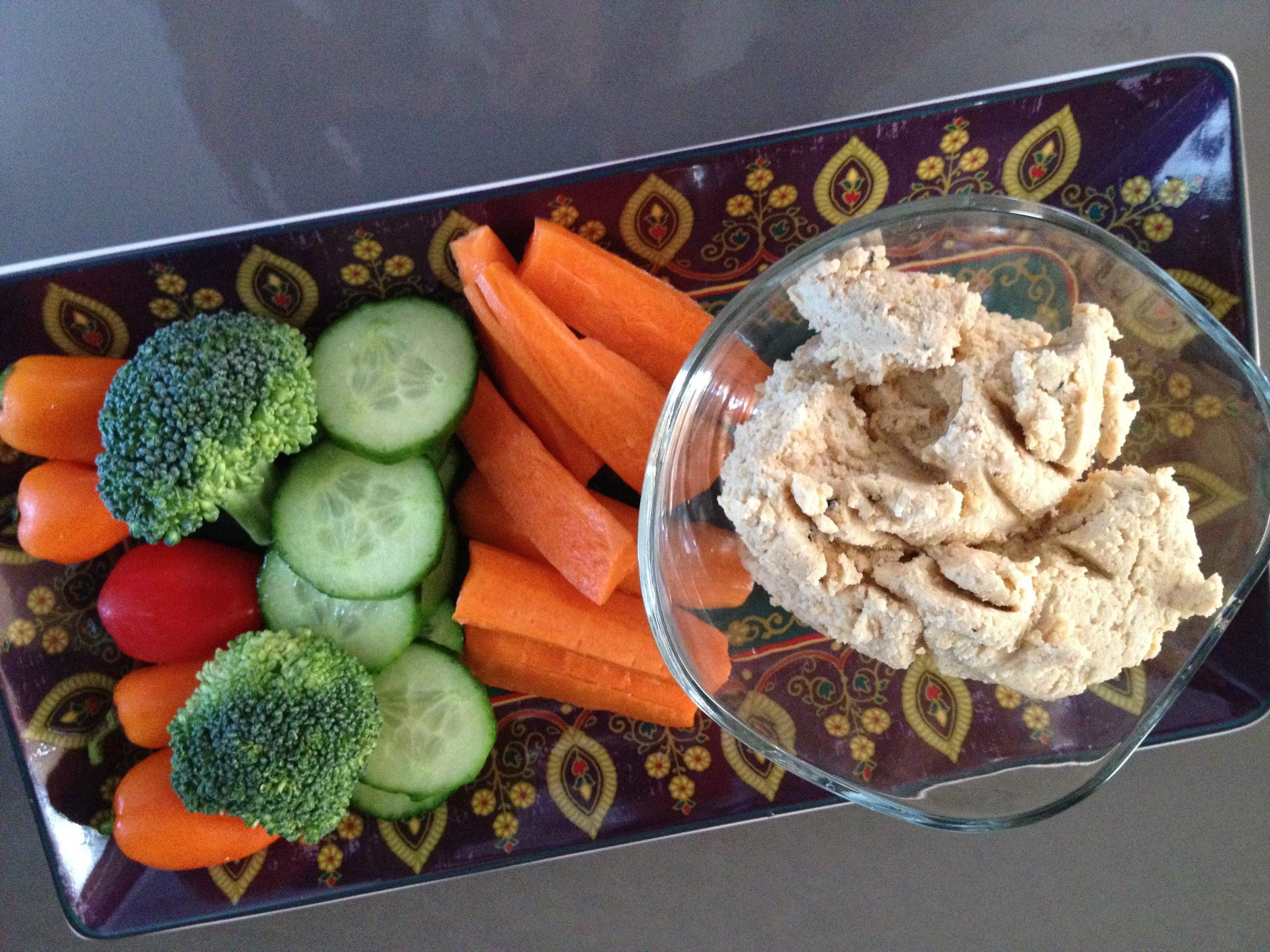 Do you know what and how much you should be eating? Although you may hate tracking your food intake, it is important to understand how much and what kind of food your body needs based on your goals, activity level and what your body can tolerate. Think in terms of what foods and how much of it will help you lose body fat rather than overall weight. Only after weighing our food and comparing the nutritional content do most of us understand the reasons certain foods help or hinder our weight loss efforts.
Food labels may suggest the food is healthy, for instance labeling as fat-free, but beware that there are many other ingredients in that food that may not be healthy, such as higher sugar content. Also, a whole grain is not a whole grain in every food that labels it as such. For example, some products are more processed than others even though they both contain whole grains.
It’s not only how much we eat but what we eat that makes a difference to weight loss. All three of the macronutrients – carbohydrates, proteins, and fat – are important to include in your nutrition. Carbohydrates are needed for energy, protein is crucial for tissue growth and muscle build, fat is also important for energy and essential for absorbing certain vitamins and mineral. Aim to include all three in every meal; however, determine what combination is best for you based on your goals and particular energy needs.
Consult a nutritionist for help determining the appropriate mix and to plan your nutrition intake based on your particular needs. If you’d like to contact Mary for help, please visit her site at www.foryourhealthnutrition.com.
Hormones
 Natural changes such as aging, and menopause for women, cause hormones to get out of whack and affect our weight loss efforts. Other chemical imbalances caused by Thyroid problems, high stress levels, poor sleep, and bad gut bacteria can also lead to weight gain or problems with weight loss. As we mentioned earlier, our bodies are finely tuned systems that rely on a ton of chemical processes to keep us healthy. One small change in one hormone can trigger the production of another hormone or chemical to get our bodies to a balanced state. Balance, however, does not mean harmony! Too much of one hormone may lead to unexpected outcomes for our bodies.
Keep in mind that hormone changes are not just women issues. Men deal with age-related declines in hormones or male menopause which is also called “andropause”. In addition, men may develop Thyroid problems or have issues with cortisol levels and other conditions experienced by women due to stress levels or poor sleep patterns.
If you are having trouble with weight loss, your health care practitioner can help you identify issues with hormones and related conditions.
 More confused?
As our above top list shows, there are more questions than answers to the issue of weight loss. Take an integrated approach by looking at your exercise regimen, nutrition intake, lifestyle routine, and underlying hormonal health.
Both of us have grappled with the issue of weight loss for over 25 years and appreciate the difficulty of making sense of all of this. In the end, health trumps weight!
References:- Hatfield, Frederick C., Fitness: The Complete Guide, Official Text for ISSA’s Certified Fitness Trainer Course, Edition 8.6.6, International Sports Sciences Association: Carpinteria, CA, 2013.
- Turner, Natasha, The Hormone Diet: A 3-Step Program to Help You Lose Fat, Gain Strength, Live Younger Longer, originally published: Canada: Random House, 2009.
- https://soundcloud.com/martinclinic/8-signs-that-your-hormones-are-off
- http://newsnetwork.mayoclinic.org/discussion/its-complicated-calories-and-other-factors-affect-weight-loss/
- http://www.coachcalorie.com/benefits-high-intensity-interval-training-hiit/
http://www.mayoclinic.org/healthy-living/mens-health/in-depth/male-menopause/art-20048056





 Aspire, Perspire, Nourish Yourself
You must be logged in to post a comment.