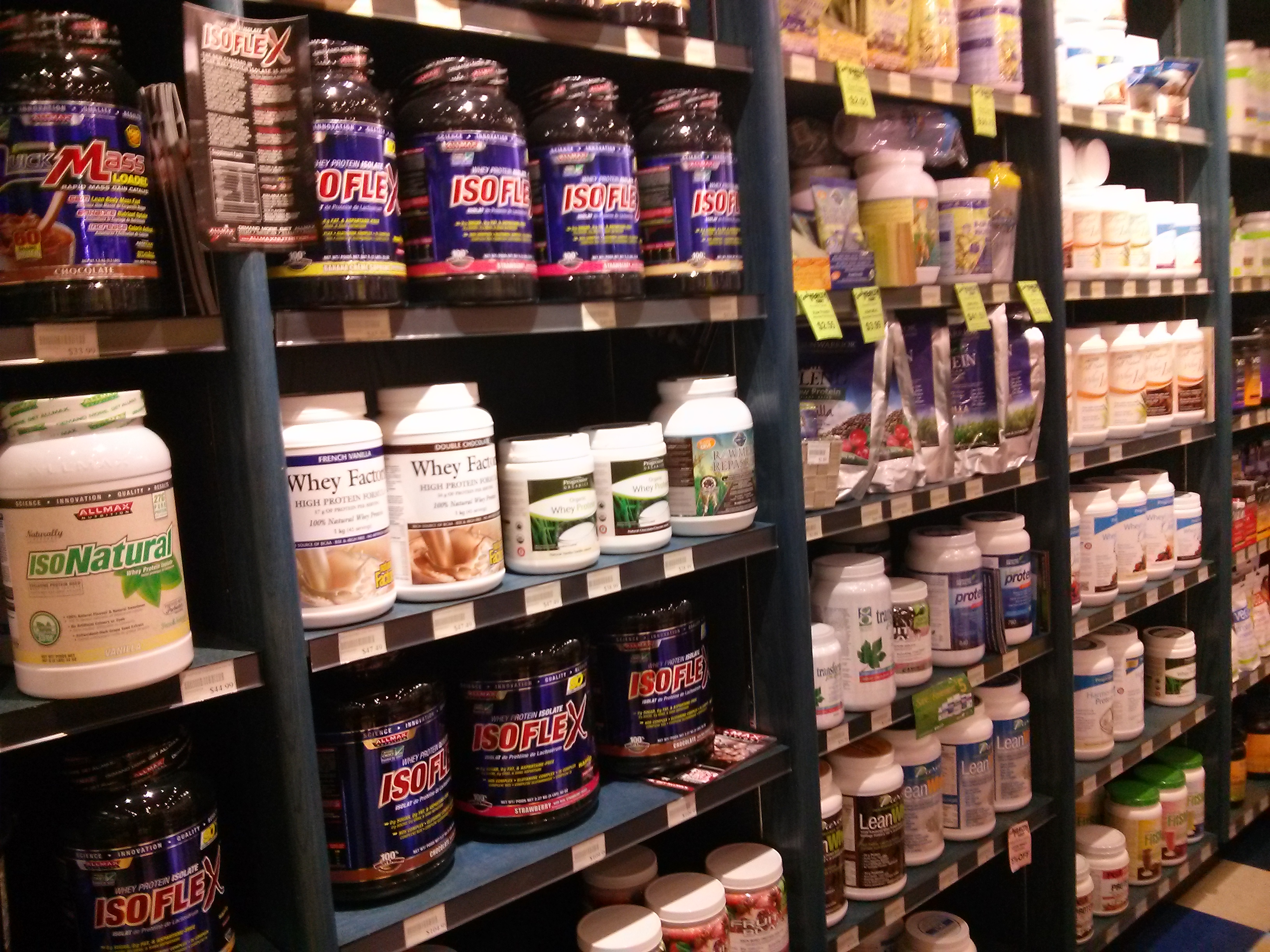
If you flip through any fitness magazines you’ll see a bunch of ads for protein supplements, recovery shakes, protein meal replacements and related products. Each promises to help fuel muscles, speed up recovery from exercise, and in some cases even burn fat. How do you choose between them? Should you even use these products?  An equally confusing experience is walking down the aisles of health stores. With the numerous types and brands of supplements and protein products, making sense of these products can be a full time job. Where do you start?
Understand your needs
First and foremost, understand how much protein you should be consuming based on your body weight, physical activity level, and special needs. An equally important factor is knowing how much protein you are actually ingesting because consuming too much protein may have negative effects on your health. Besides increasing fat storage, having too much protein could develop a toxic form of ammonia in your body that can make your kidneys and liver work harder.
How much protein do I need?
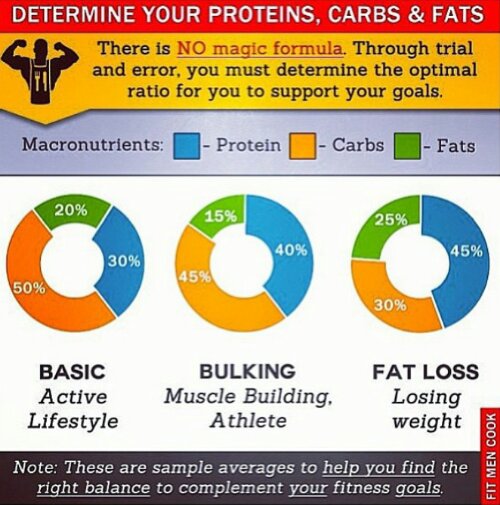
Amidst controversy among professionals, many government agencies responsible for health have established minimum guidelines for the amount of protein the average person needs per day. Generally, the suggestion is 0.8 grams per kilogram of body weight. However, exercise physiologists and other professionals recommend that individuals who exercise rigorously should consume higher levels of protein. Keep this in mind when determining the correct ratio of protein, carbohydrates and fats in your meal planning. To ensure you’re getting the appropriate nutrients in your diet, calculate the calories you need per day to appropriately maintain your weight (or lose weight if that’s your goal). Based on the calories then you can calculate the breakdown of protein, carbohydrate, and fat you should be consuming. There are formulas to help with the calculations, which you can find at various sites such as at:
You can also use apps such as MyFitnessPal or CalorieCount, which will automatically calculate your macronutrient needs based on a few criteria like your weight, gender, activity level and weight goals. Once you know how much protein you need, you can determine the best place to get it. Keep in mind that protein is contained in many foods besides meat. You’ll also find it in nuts and legumes, vegetables, and grains. In developed countries such as North America we tend to get more than enough protein from the everyday food we eat, if we eat a balanced diet, so if you plan to consume protein supplements, be sure to understand what you’re getting.
Research the product
The best way to know about what you’re ingesting is to research it. Don’t blindly purchase a protein supplement because it’s the most advertised product or because your friend told you it was the best they have found. Each of us has individual needs that may not be met from the same product.
How is it manufactured?
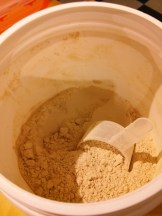 Take responsibility for understanding the product, the way it’s manufactured and the ingredients used. For instance, there are various sources of protein such as whey, soy, and casein to name a few. Some proteins are animal based and others are plant based. The manufacturing processes also vary. For example, whey comes in an isolate, concentrate or hydrolysate format. The differences are based on the processing and yield different protein contents. Learn more about the difference at built lean.com. Visit the manufacturer’s site to review the products you intend to purchase, and carefully read all the ingredients included in the product. Do further independent research on the long list of ingredients. Knowing what’s in the product will also help you avoid problems with allergies and food intolerances.
What the source of base ingredients?
If you are concerned about hormone injected food, carefully review the source of protein products. For example, the whey may come from grass fed sources or from countries where injecting growth hormones in cows is an acceptable practice in the milk producing industry.
Target the use
Finally, live by some simple guidelines about supplementation. There are times when using them makes sense and times when food will still give you the best protein options.
- If you follow a balanced diet most of the time, you may not need to use protein supplements.
- Use protein powders, shakes, and bars as meal replacements rather than adding to your regular diet; otherwise, you may be ingesting more protein and calories than you need.
- Use protein supplementation after workouts that are rigorous, when you don’t replenish with appropriate nutrients through food.
As Dr. Fred Hatfield, Co-founder and President of The International Sports Sciences Association, suggests:
“You don’t need all of them all of the time.” (1)
Reference:
- Hatfield, Frederick C., Fitness: The Complete Guide, Official Text for ISSA’s Certified Fitness Trainer Course, Edition 8.6.6, International Sports Sciences Association, 2013: Carpinteria, CA, p. 575.
- http://vickygarciafitness.com/protein-carbs-fat/




 Aspire, Perspire, Nourish Yourself
You must be logged in to post a comment.