

photo by http://www.freerangestock.com
We usually don’t start to think about spring cleaning until spring hits! At that point, we’re all madly trying to shed all the extra stuff we’ve collected through the winter; that is, literally extra clothing, household items and figuratively the extra pounds we’ve added through the cold, dark winter days. Well, this year let’s get started before spring!
We’ve got 5 tasks for you to complete for the next 4 weeks to get you ready for a healthier lifestyle this spring.
Week 1 – Get Some Goals

photo by http://www.freerangestock.com
It all starts with your intentions and a plan to act on those. What is your hope for the coming season? Is it to enter a race, lose weight, exercise more, eat healthier, prepare more ‘clean’ home-cooked meals? These are examples of general goals so get more specific than what we’ve listed. For example, if you want to lose weight, specify something like, “Lose 1 pound per week over 12 weeks.”
For more details and ideas on setting and achieving goals, go back to our blog Goals: Time to Rethink Yours?
Week 2 – Set your Exercise Plan

photo by http://www.freerangestock.com
Based on the goals that you set in week 1, determine the best exercise plan to achieve these goals. For example, if you plan to enter a 10K race in June, then work backwards from the date of the race and establish your training plan. If you want to lose weight, then establish an appropriate daily or weekly level and intensity of activity you need to pursue for healthy weight loss.
- Decide how many days you will exercise, what type of activity you will engage in and for how long.
- Sketch out your weekly exercise schedule to include cardio sessions, resistance training, and flexibility exercises.
- Search for training and exercise videos and articles on reputable sites and in magazines to give you the extra motivational boost and appropriate direction.
As a refresher on scheduling workouts, see our blog post Want to get Fit? Make a Plan.
Week 3 – Set your Nutrition Plan
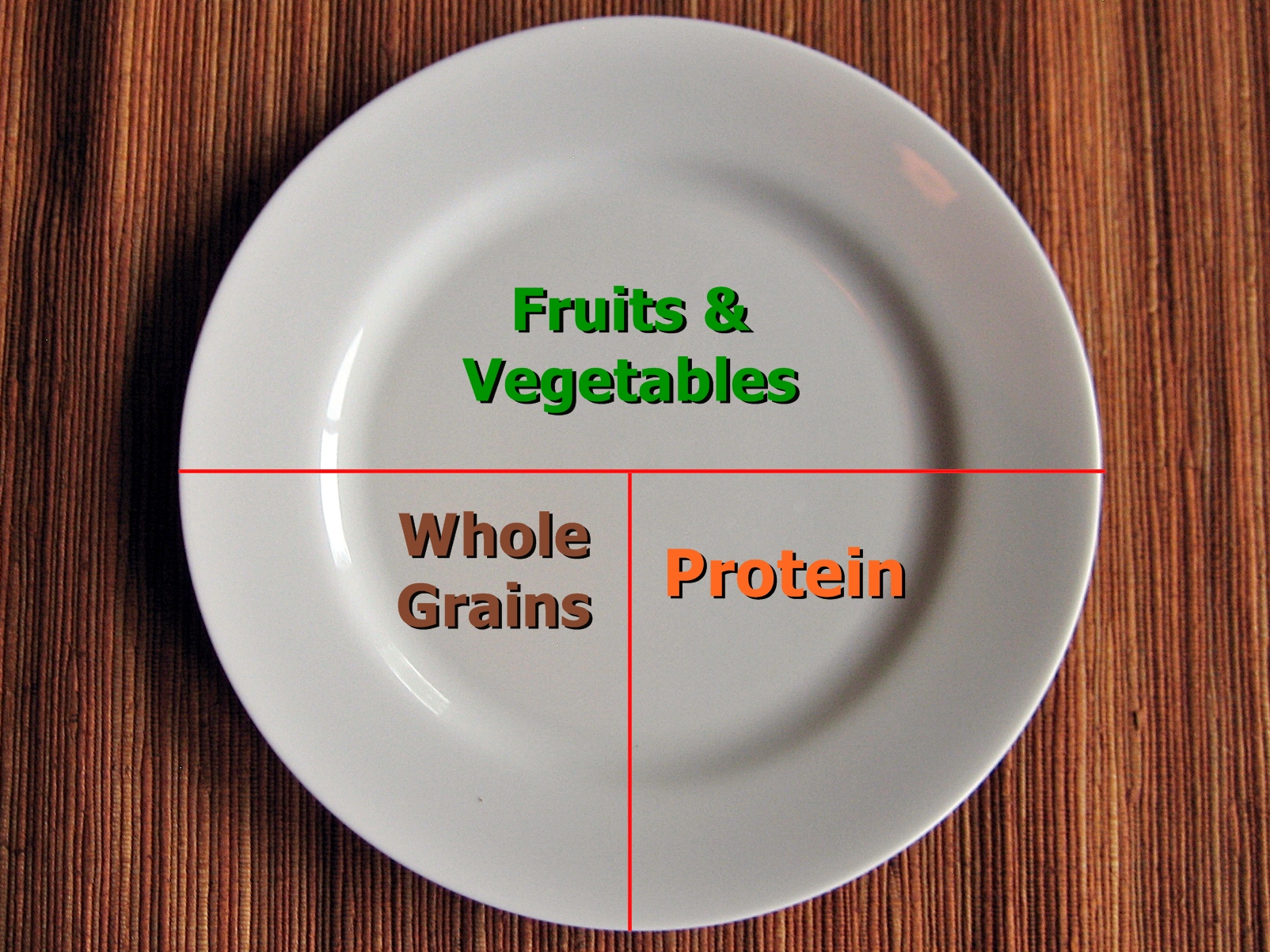
photo by http://www.freerangestock.com
As we’ve said in the past, nutrition is an important component of healthy living. Weight loss, athletic performance, and just simply living well cannot be accomplished without integrating fitness and nutrition.
In week 3, focus on creating a nutrition plan that helps you stick to clean eating for the long term, which may include:
- Creating a 14 day menu you can modify and rotate over the long term,
- Searching for clean recipes you and your family may enjoy,
- Understanding your individual nutrition needs (based on your activity levels, sport, and goals),
- Trying new foods,
- Exchanging ideas with others about nutrition and foods.
Once you have a plan for what you will eat, preparation becomes easy!
Week 4 – Cleanse Your Body and Spring Clean your Pantry
Task 4A – Cleanse Body
 Jump start your journey to a healthier and fitter lifestyle by prepping your body with a simple cleanse. You can get the benefit of higher energy and you can prime your body’s capacity for improved fitness and increased nutrient intake by:
- Drinking more water,
- Drinking less caffeine,
- Increasing fiber intake,
- Reducing and ideally eliminating refined and processed foods, starches and foods high in sugar,
- Resting more.
If you decide to do a more strict detoxifying plan, please be sure to follow the directions carefully or consult your health care practitioner for advice. Read more about cleansing by going back to our blog post, Lighten Up Your Load: Cleansing with Everyday Foods.
Task 4B – Spring Clean Pantry
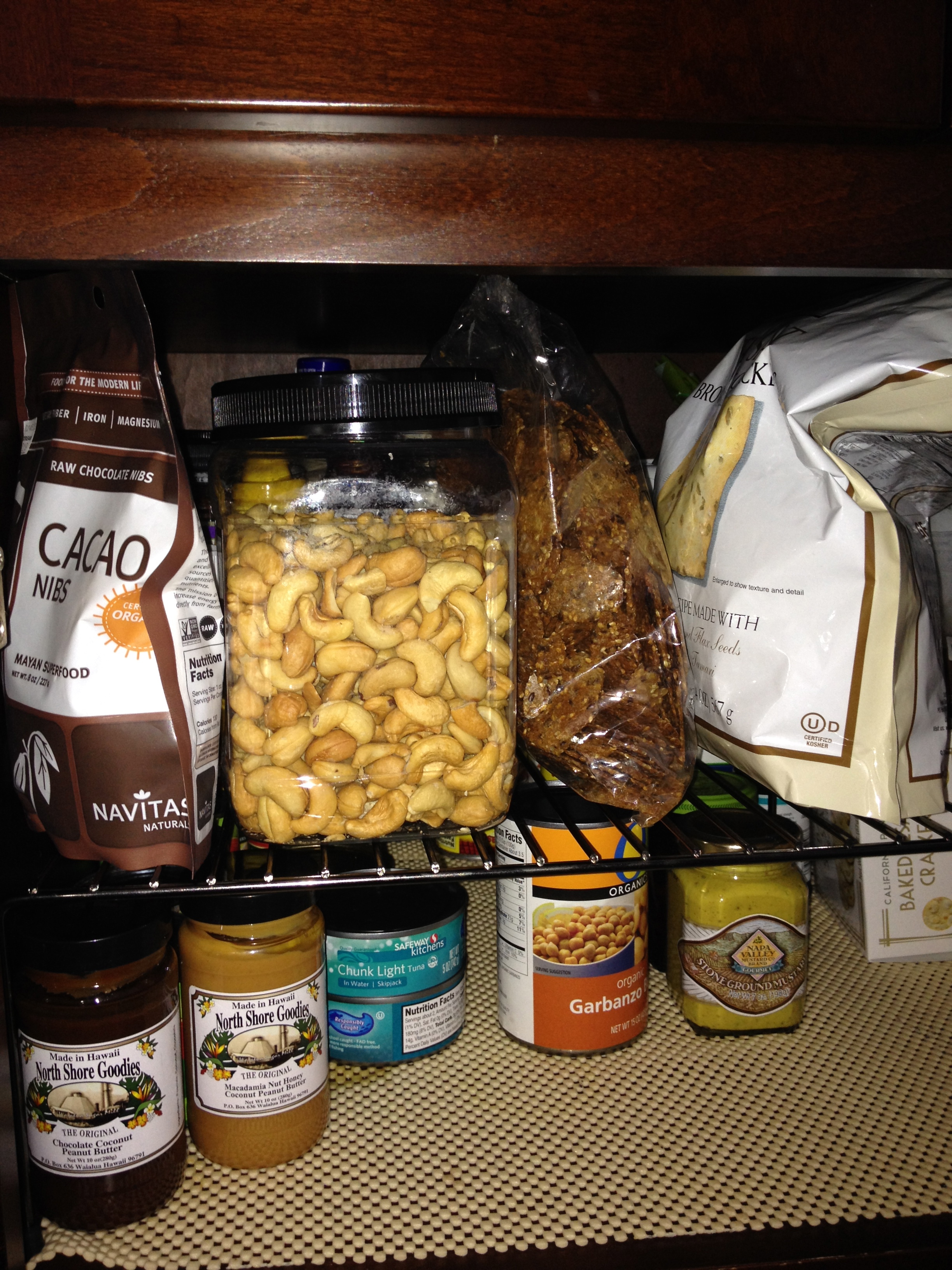 Now that you have a nutrition plan, you know what foods you need in your pantry and fridge. As you transition to cleaner foods, spring clean your pantry. In week 4, take a look at what is stored in your pantry and take out all the processed and refined foods, high sugar foods, and other items that don’t fit your clean eating plan. We’re not suggesting you waste these by throwing them out. You can choose to donate them to others or simply use them up and not replenish them. If you choose to eat them, then consume in moderation.
A pantry void of tempting foods makes nutritious eating a snap!
Spring is upon us
It’s time to make it happen! As spring is upon us, you can implement your plans and get a jump start on everyone else who is just now starting to think about spring cleaning their lives.

Pay it Forward
Now that you are set and in full swing, help someone else! Share your enthusiasm, knowledge and plans with others so they too can have a great spring.







 Aspire, Perspire, Nourish Yourself
You must be logged in to post a comment.