Spice up Your Fitness through Cross Training

“Variety’s the very spice of life, that gives it all its flavour.”

William Cowper (English poet)

Humans are creatures of habit and habits serve us well when they make us disciplined.  Once we become comfortable with doing things a certain way, many of us just keep chugging along.  It’s easy; you know what you’re doing; and it doesn’t take as much effort as it did the first couple of times.  Practice makes perfect!Fullimage_009

On the downside, doing the same thing can get you in a rut.  Adventure, and the discovery of new things that comes along with it, can bring excitement and a renewed appreciation for the old with the new.

These extremes are applicable to both nutrition and fitness.  If we surveyed you about what foods you typically eat, most of you would have a handful of items on that list.  Many of us don’t need a grocery list each week because we buy the same stuff. Consuming different foods takes intention and effort.  It is also an ongoing experiment as we need to learn how to cook the new foods and find out whether we even like them.

IMG_2610The same goes with fitness activities.  Most of us find an activity or two that we like and pursue them on a regular basis.  This is good as we become competent at those activities.  If we continue to challenge ourselves in those activities we can get even better at them.  For example, if you are a runner, you know that varying your running from steady state runs to faster runs can improve your speed, while changing up shorter intense runs to longer ones can improve your endurance.  In these cases you are working on increasing depth in your sport as you vary the workouts!

Add Breadth to Fitness
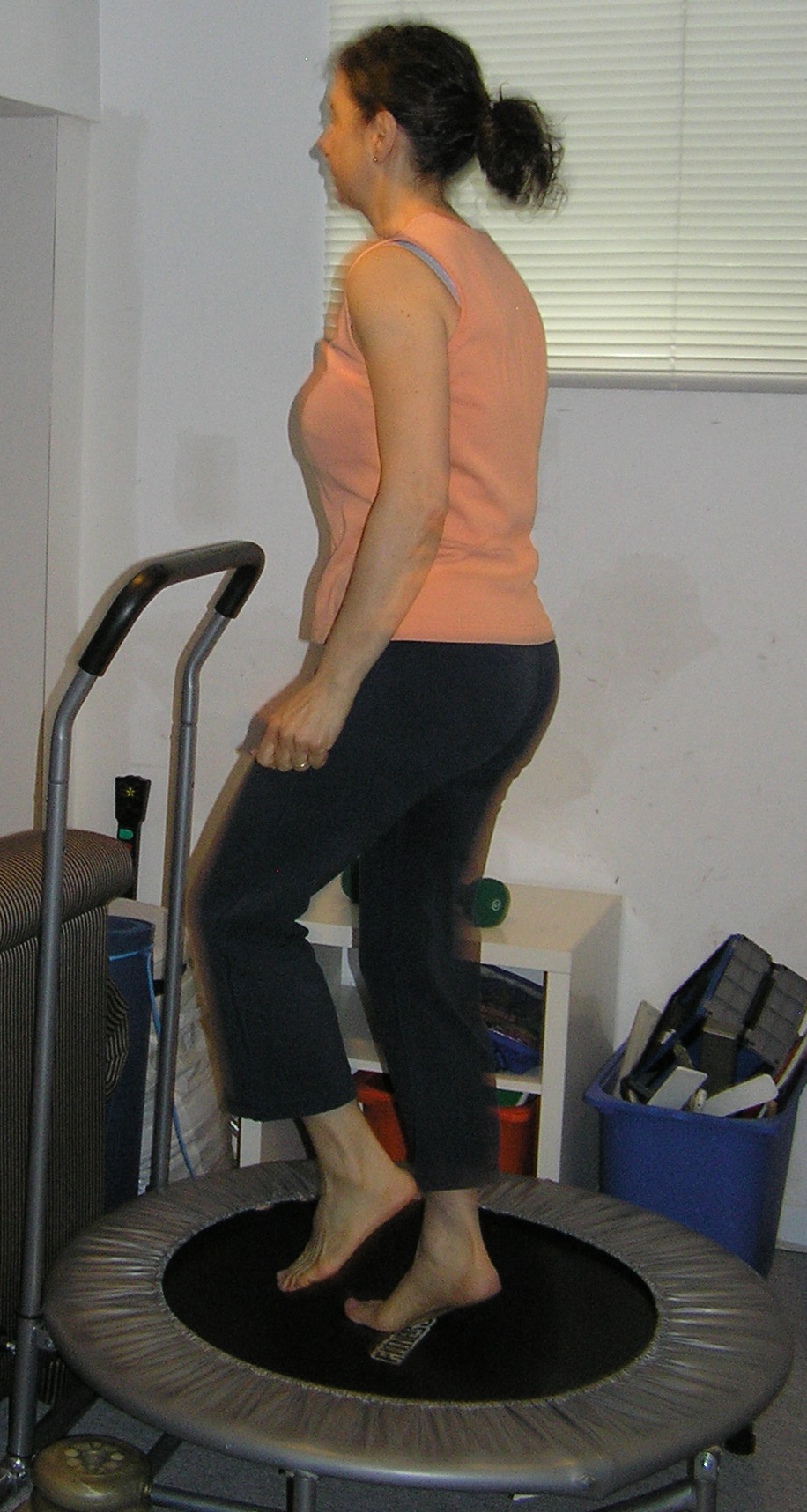
OLYMPUS DIGITAL CAMERABreadth in fitness is also important.  What happens when you join a friend on an activity you normally don’t do, like riding a bike or swimming?  Do you find yourself winded?  Struggling to keep up?  Even if you do keep up, do you find you are sore the next day?  That soreness may be a sign that you used muscles you normally don’t use.

If living a well-rounded fit life is your goal, then think about adding variety to your fitness routine.  Athletes talk about variety as cross-training, i.e. doing something outside of their sport to train body parts normally not emphasized by their sport.

We discussed different types of workouts in our blog post about making a plan to get fit (https://aspireperspirenourish.com/2013/04/27/want-to-get-fit-make-a-plan/).  Engaging in different fitness aspects like cardiovascular, strength training, flexibility/core is one way of adding variety to your fitness routine.  Another way is to do different activities within each aspect.  For example, if you normally run for 30 minutes 3 times per week for your cardio training, then maybe run twice per week and swim laps one day.IMG_2787 IMG_2788

There are endless opportunities for adding variety.  The following is just a finite list of different activities.  Although we’ve put them in discreet categories, some of the fitness activities fall into more than one area.
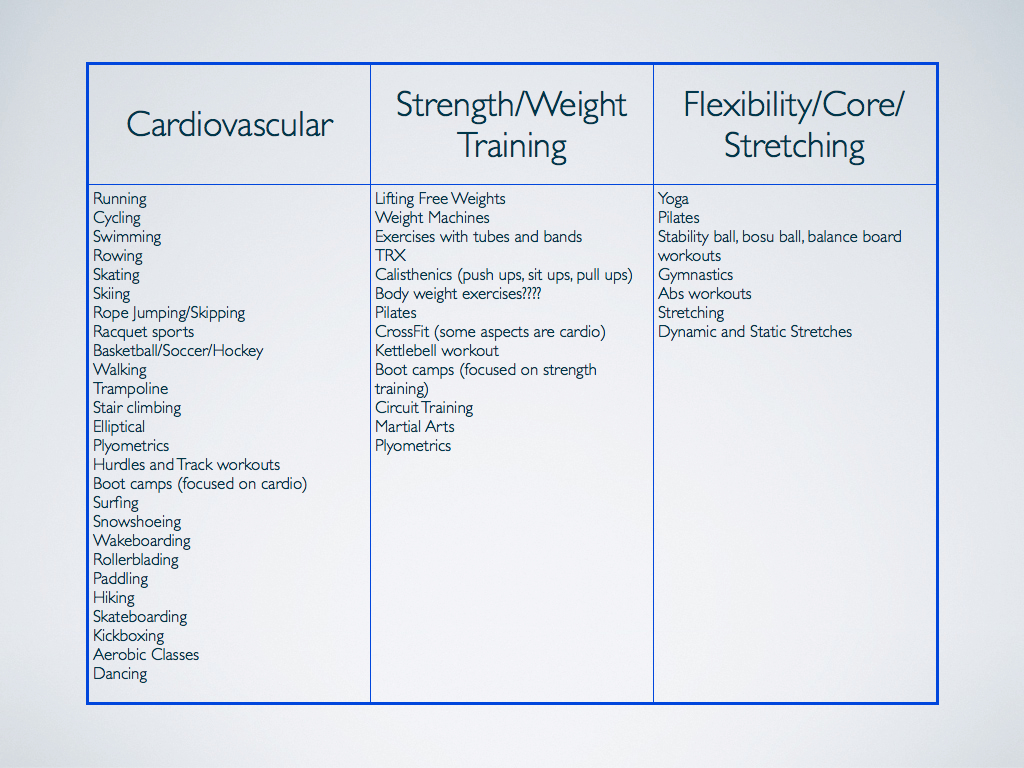
Variety of Activities - Cross Training.001

Important Benefits

If you don’t care much about keeping up with your friends, then care about being injury free.  Besides providing all-around good fitness, cross training can help you avoid injuries that are caused by repetitive strain or impact.  Every sport or fitness activity has its Achilles Heel, if done too frequently.  For instance, runners are prone to hamstring tightness, knee injuries, and plantar fasciitis; tennis players can have issues with tennis elbow; cyclists may experience hand numbness and knee issues.  When you vary your activities and workouts, you lessen your chances of typical injuries by giving your body a break and using different muscles.Kai 8th birthday banff pictures 073

Another benefit of cross training is experiencing a mental break and increased motivation.  As we alluded to earlier, too much of the same thing can lead to repetitive numbness!  Adding a different activity in your fitness routine allows your brain to switch gears, building different connections between neurons and growing brain cells.  Behaviorally, you can feel more motivated for your primary fitness activity when you break it up with other fun workouts.  Feeling refreshed, you can tackle your fitness goal with more zest!

Brianna photoGetting Started

Brianna Reid is our featured trainer this week.  She kindly provided a workout that you can add to your weekly routine.  Adapt this workout for an activity you normally don’t do.  For example, if you typically run, then do this workout using an elliptical machine.

_________________________________________________

Use any fitness equipment; 30 – 40 minute workout, including warm up and cool down

Warmup:  5-10 minutes

  • 3 x 2 minutes sprint, tension but not overly hard with 30 second rest in between;
  • 2 minutes moderate pace;
  • 3 x 1 minute high resistance with 1 minute easy;
  • 2 minutes moderate pace;
  • 2 x 4 minutes medium resistance sprint with 2 minutes rest;
  • 2 minutes moderate pace;

Cool down: 5 – 10 minutes.

Notes:  At moderate intensity your breathing and heart rate should rise but you should still be able to speak.  Play around with the tension (resistance) of the equipment and the intensity of your pace.  At the end of the workout you should feel like you can’t do even 5 more minutes on the machine.

__________________________________________________

Brianna’s Message

Be creative in building your own workout routine…

Recipe of the Week:  Pumpkin Pancakes

Posted in Fitness Tips, Weekly Blogs | Tagged , , , | 2 Comments

Keeping Kids Healthy through Stressful Times

June is a wonderful month as it marks the beginning of summer.  It also is a month that most parents of school-aged kids can’t wait to see end.  The last few weeks of school can be a stressful time for everyone, but especially for kids.  The teachers are trying to cram in the last bit of curriculum that needs to be covered; IMG_2727homework seems to be endless; exams are looming; projects assigned early in the year are finally due.  To top these issues, kids are tired of the school routine and the great weather entices them outside and away from their piled up schoolwork.

As adults we think our kids are immune to stress but they are not.  Stress is a natural response by our bodies to deal with a threat, and if handled well, it can help motivate us to get things done.  On the other hand, if we have difficulty managing stress, it can have detrimental effects on our health and well-being.  Chronic or prolonged stress can lead to high blood pressure, heart disease, obesity and diabetes.  Learning to manage stress is an important life skill, which we need to teach our kids from a young age.

IMG_0837Common Symptoms of Stress

Most adults have enough experience to recognize when they are feeling stressed.  However, most kids can’t analyze what they are feeling and have trouble expressing their emotions.  Stress can manifest itself in different ways.  Pay attention to physical, emotional and behavioral symptoms that give you clues about your child’s stress level.  If you have a child who is normally high in energy, when stressed this child could be lethargic or withdrawn.  Look for a more pronounced lack of motivation or focus.  A child may also act out his or her feelings and magnify the behavior.  For example, your child might be more stubborn than usual or anger more easily.  Physical symptoms might include headaches, stomachaches, trouble sleeping or sleeping too much, lack of appetite or eating too much.

How Can You Help?

As we mentioned earlier, managing stress is an important life skill that everyone should learn early in life.  As a parent, the best thing you can do is be a good example for your kids.  Examine how you typically respond to stress and determine if it is serving you well.  How has your reaction to stress affected your kids?  What can you do to better manage stress in your own circumstances?

One example we want to share with you is a personal one that one of us has experienced (You’ll have to guess which one of us did this.  It’s too embarrassing to admit!).  On one occasion when I was working several late nights to get a work project completed and my son was being particularly clingy wanting me to read him a story before bed, the dinner dishes piling up in the sink and my husband watching the hockey game, I flew off the handle and threw the worst tantrum ever!  Screaming, door slamming, and tears were all part of this awful event.  Although we managed to repair our relationships over the next few nights with extra TLC, the effect was long lasting.  A few weeks later when my son was having difficulty completing a homework assignment, he flung his books in the air, started yelling through his tears about how stupid the homework was and stomped out of the room, slamming every door he could find.  Sounds like another story you’ve heard?  I was devastated to see that my behavior had impacted him to such an extent.  Now every time I feel stressed, I try to think about that event, STOP, AND RE-THINK MY RESPONSE!

Consider doing some of the following with your children to help them through stressful times:

Spend extra time with them – Sometimes children just need to feel safe and loved.  Recharging their sense of security with extra time reading, doing their favorite activity with them, cuddling before bedtime can help young children.  With older kids, try just hanging out or going for a walk together to reconnect and catch up on what’s going on in their lives.

Ask them how they are feeling – Help kids put their feelings into words.  Help them identify the source of their stress by delving into what they are feeling.  As they grow older, they can learn to recognize their own feelings and stressors and therefore address them.  Reassure them that we all experience stress from time to time and that we need to learn how to cope with it.


Provide a consistent home routine
– Predictability can help reassure young children.  Fear of the unknown can be a source of stress for some kids.  With older kids, establish rules and boundaries to ensure they adhere to healthy behaviors that can relieve stress.

Ensure they get enough sleep – Sleep can help restore the body, mind and spirit.  Based on The American Academy of Pediatrics Guide to Your Child’s Sleep, children from the age of 1 to teenagers need between 9 and 13 hours of sleep.  The younger the child, the more hours of sleep he/she needs.

IMG_2139Monitor their extracurricular activities – Sometimes kids experience burnout from all the activities they do on top of their day at school.  These activities are supposed to be fun but if the expectations of performance are high and kids have homework to do on top of activities after dinner, there is little down time left for kids to just relax.  Get your children involved in deciding if they have too many activities and which ones they’d like to keep doing or just drop.  Making their own choices will teach them about setting priorities and it will also maintain their motivation for the activities they choose to keep.

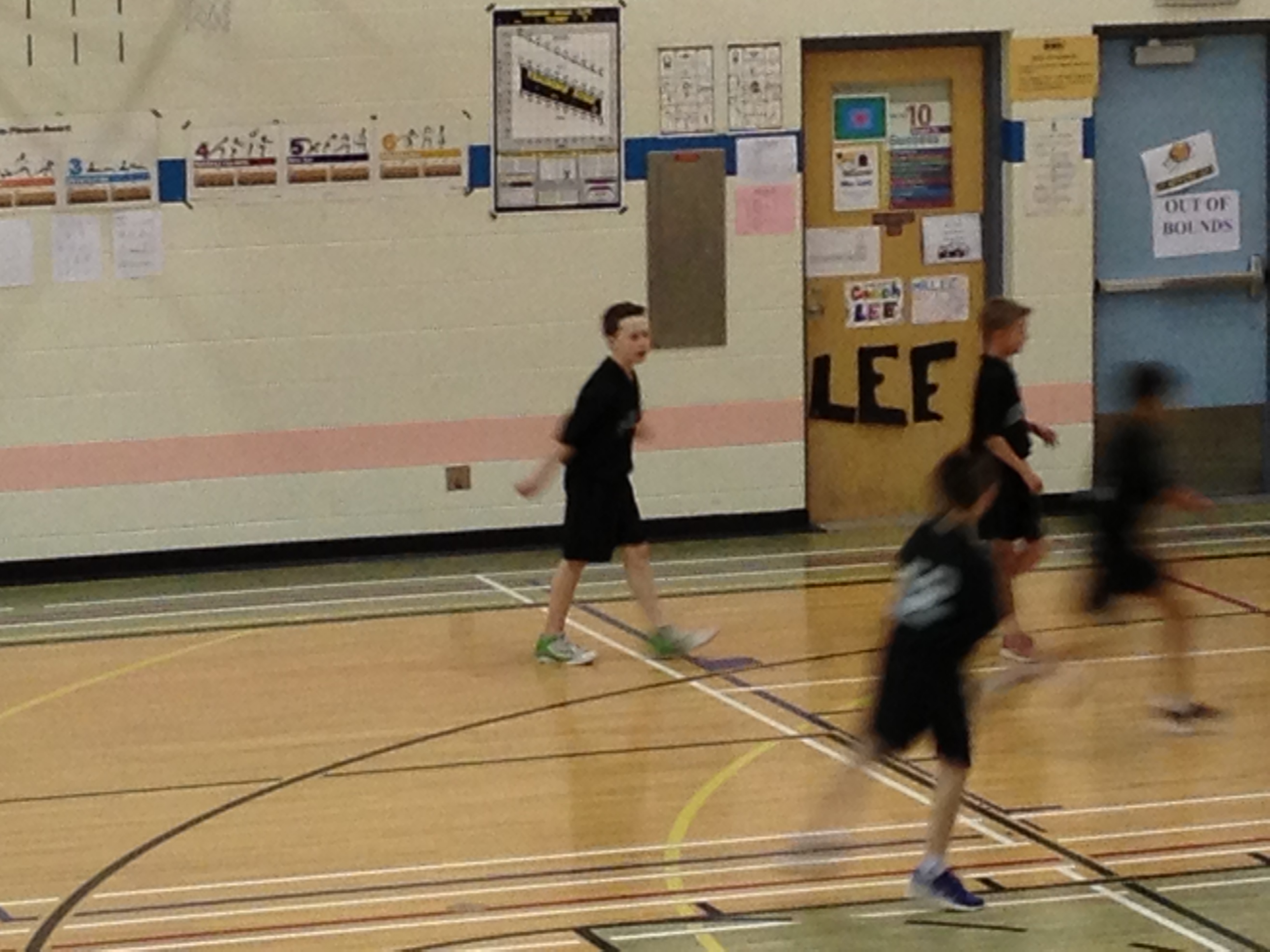
Provide opportunities for physical activities – Encourage kids to get out and be active if they are spending too much time at their desk with homework or IMG_2508on the couch with their electronic devices.  The physical activity is a natural de-stressor!

Have fun together – Spend time together having fun.  Go on a bike ride, play a game, throw the football, do what makes everyone happy!

Teach them how to cope with stress – Teach kids ways to relax when they are feeling anxious like breathing techniques or certain body loosening movements.  Other times you can help them manage their time/schedule by showing them how to make a list of their tasks and prioritizing them.

Nutrition and Stress

Eating healthy is important during times of stress.  The food you eat serves to nourish you, to satisfy your flavor and texture needs, and to regulate your physiological functions like your immune system, your biorhythms, etc. (Takeda et al., p. 140, 2004).  When stressed, your body either produces too much (e.g. cortisol and adrenaline) or too little (e.g. serotonin) of the important chemicals we need to remain balanced (experience homeostasis).  So during times of high stress, be sure to eat well.  Kids, in particular, need guidance for healthful eating.  Here are some tips:

  • Keep them away from foods high in sugar like ice cream, candy bars or processed foods.  Kids may feel a temporary relief from stress when consuming these foods but after the crash, they will feel worse!
  • IMG_2479Serve kids foods that can help their bodies and minds become relaxed and balanced such as:
    • Whole grains like oatmeal, quinoa;
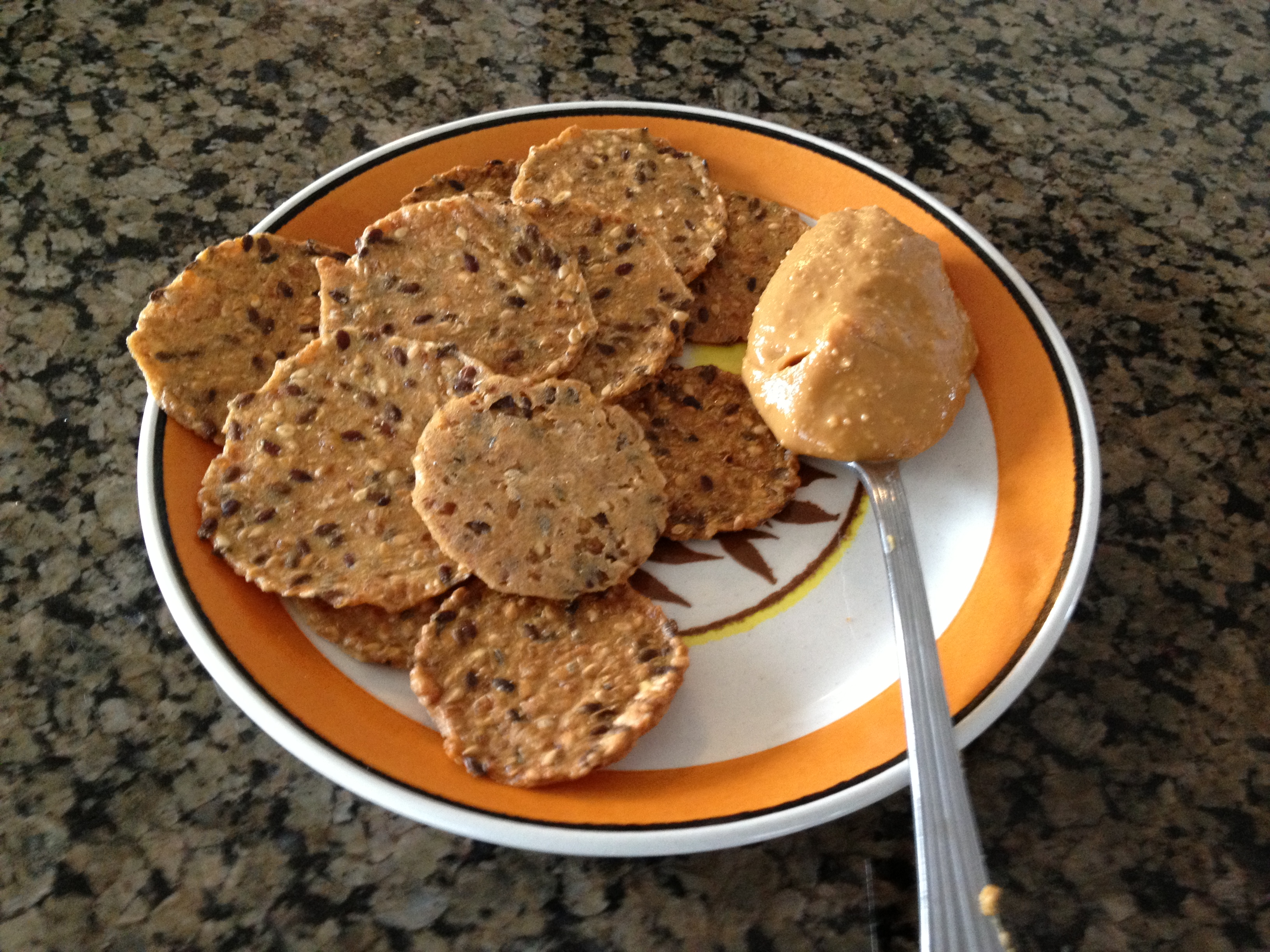
    • Nuts like almonds (almond butter), walnuts, pecans, pistachios;
    • Greens like spinach, kale, swiss chard;
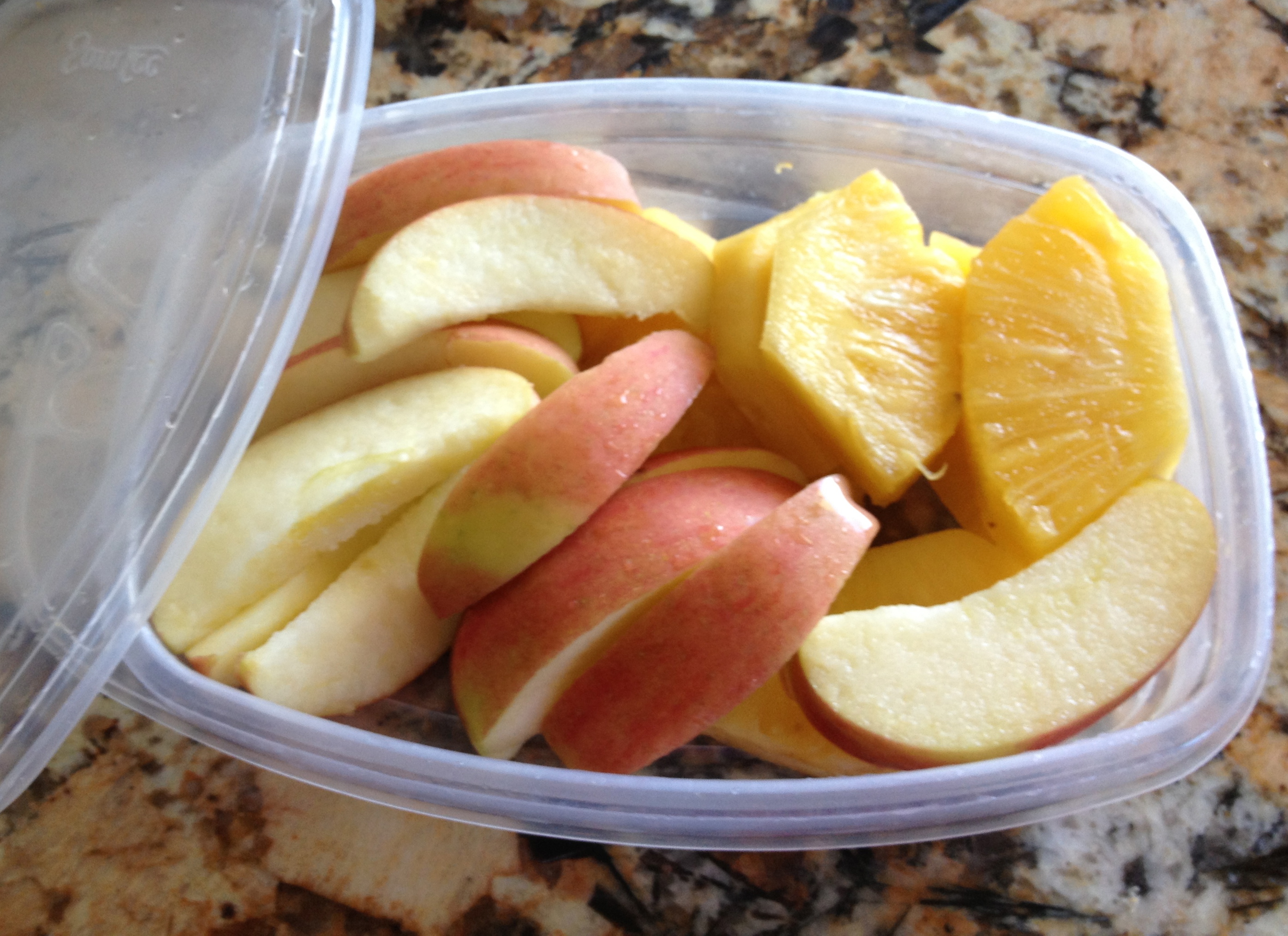
    • Fruits like oranges, pineapple, both high in Vitamin C.  Provide these sweet fruits instead of the sugary IMG_2623processed foods;
    • Salmon and other oily fish.  These foods are rich in nutrients like magnesium, vitamin B, tryptophan which are known to help with stress.

On the lighter side…

“If you ask what is the single most important key to longevity, I would have to say it is avoiding worry, stress and tension. And if you didn’t ask me, I’d still have to say it. “

George Burns (January 20, 1896 – March 9, 1996)

 References and Resources:

Cohen, George J. M.D., The American Academy of Pediatrics Guide to Your Child’s Sleep: Birth Through Adolescence, 1999.

Takeda, E. et al, “Stress Control and Human Nutrition,” The Journal of Medical Investigation, Vol. 51, 2004.

http://www.mayoclinic.com/health/stress/SR00001

http://www.psychologyfoundation.org/pdf/publications/ResilienceChildrenBooklet.pdf

Recipe of the Week:  Apple Goat Cheese Snack Wrap

Posted in Weekly Blogs | Leave a comment