Maintaining Your Immune Health

It has been about a month since the kids got back to school and the sniffles and coughs are already starting up.  Being in close quarters, the physical contact, and sharing lunches all contribute to increased sickness!  With the cold and flu season approaching fast, you may want to find ways to keep yours and your family’s immune system healthy.

Healthy Living as Best Defence

Although research has not yet found a definitive formula for boosting your immune system, “there is now evidence that even though we may not be able to prove a direct link between a certain lifestyle and an improved immune response, we can at least show that some links are likely.” (1)

Generally, living a healthy lifestyle is one way to create overall health and therefore give your immune system a chance to work well.

Healthy living means getting regular exercise, eating well, sleeping sufficient hours, limiting consumption of alcohol and decreasing chronic stress.  Washing your hands frequently also helps to keep germs at a minimum.

Eating Well

The nutrients we consume for a healthy lifestyle are major contributors to health.  When we talk about eating well, we mean eating whole foods like vegetables, fruits, whole grains, legumes, and good fats (monounsaturated and omega-3 and omega-6).  These foods contain the essential vitamins, minerals and antioxidants that we need to ward off disease.
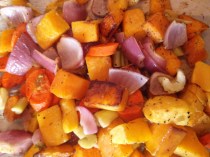
RoastedVeggies

Some of the more common vitamins and minerals, known for their antioxidant properties, that can help maintain your immune health are listed below with some of the foods high in such vitamins and minerals.

Aim to include foods high in these vitamins and minerals in your diet to maintain overall health.  In times of compromised immune health, these foods may provide extra protection.

Vitamin A – sweet potatoes, carrots, dark leafy greens, dried apricots, squash, paprika, red peppers, cayenne.

Vitamin C – broccoli, kale, bell peppers, oranges, berries, lemons, kiwi, dark leafy greens.
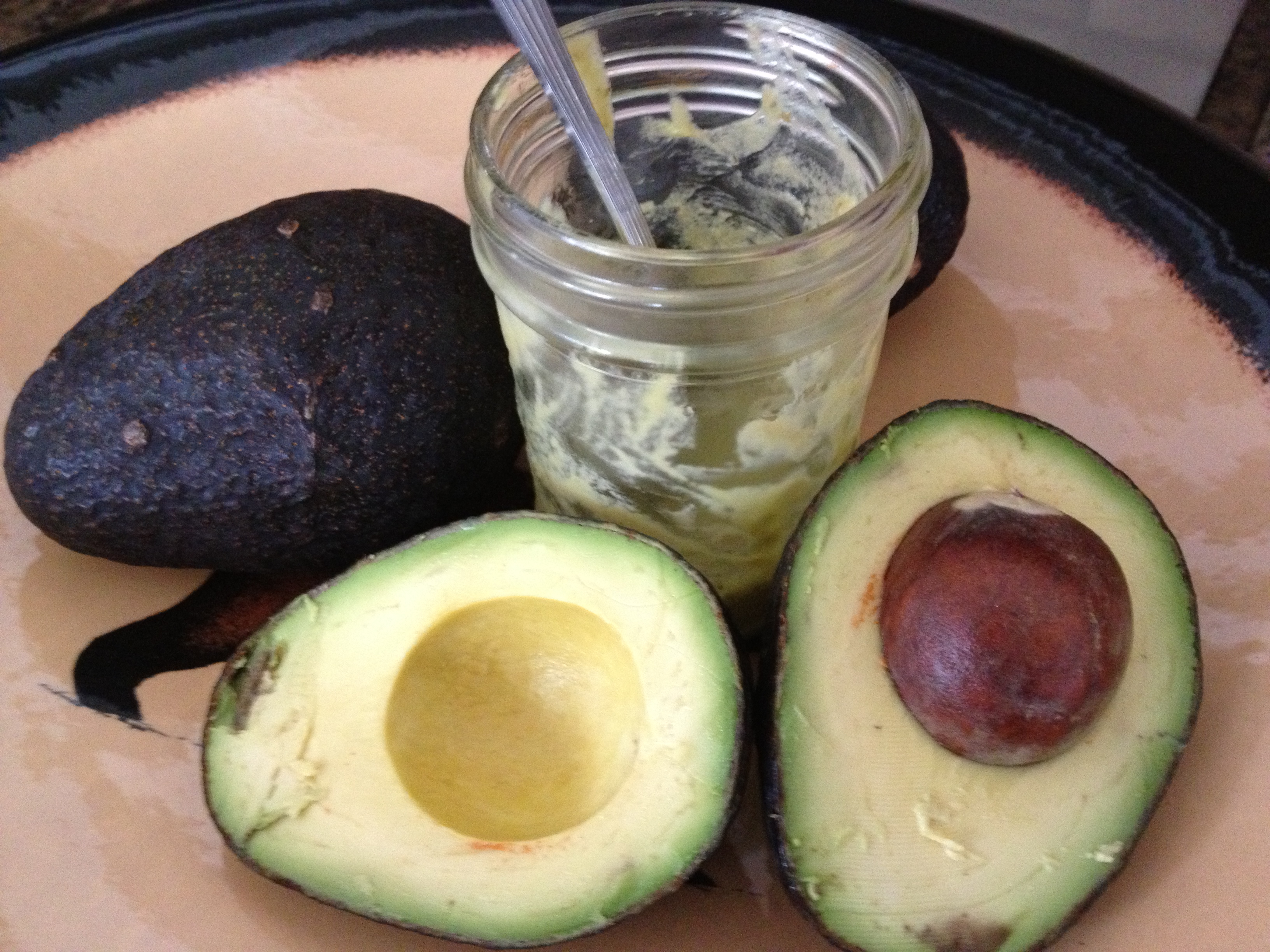
IMG_2697Vitamin E – avocado, almonds, sunflower seeds, pumpkin seeds, sesame seeds, swiss chard, mustard greens.

Selenium – brazil nuts, eggs, fish, poultry, onions.

Zinc – quinoa, walnuts, flax seed, pumpkin seeds, cashews

Exercise

“Experimental studies have shown that a regular exercise program of brisk walking can bolster many defenses of the immune system, including the antibody response and the natural killer (T cell) response.” (2)

IMG_2613

Exercise has a way of getting things flowing!  It can help cleanse bacteria out of our lungs and waste out of our bodies.  It may also move antibodies and white blood cells more quickly through our system, which helps us fight intruding bacteria or viruses sooner.  Exercise also decreases the release of stress hormones that may increase illness.

Keep in mind, “more” does not mean “better” in this case.  A moderate level of exercise is good for maintaining your immune health.  Too much “heavy, long term exercise (such as marathon running and intense gym training) could actually decrease the amount of white blood cells circulating through the body and increase the presence of stress-related hormones.” (3)

References:

  1. http://www.health.harvard.edu/flu-resource-center/how-to-boost-your-immune-system.htm
  2. http://www.clevelandclinic.org/health/health-info/docs/0900/0955.asp
  3. http://www.nlm.nih.gov/medlineplus/ency/article/007165.htm
Recipe of the Week: Roasted Butternut Squash Soup

Posted in Weekly Blogs | Tagged , , , , , , , | Leave a comment

Monthly Food Feature: Eggplant

IMG_2946For the past two summers, I’ve participated in a CSA box (Community-Supported Agriculture box) venture where I’ve bought produce from a local farm on a weekly basis.  It’s like going to the farmer’s market but instead of picking your produce from various booths, you receive a box with whatever is grown at the farm and available that week.

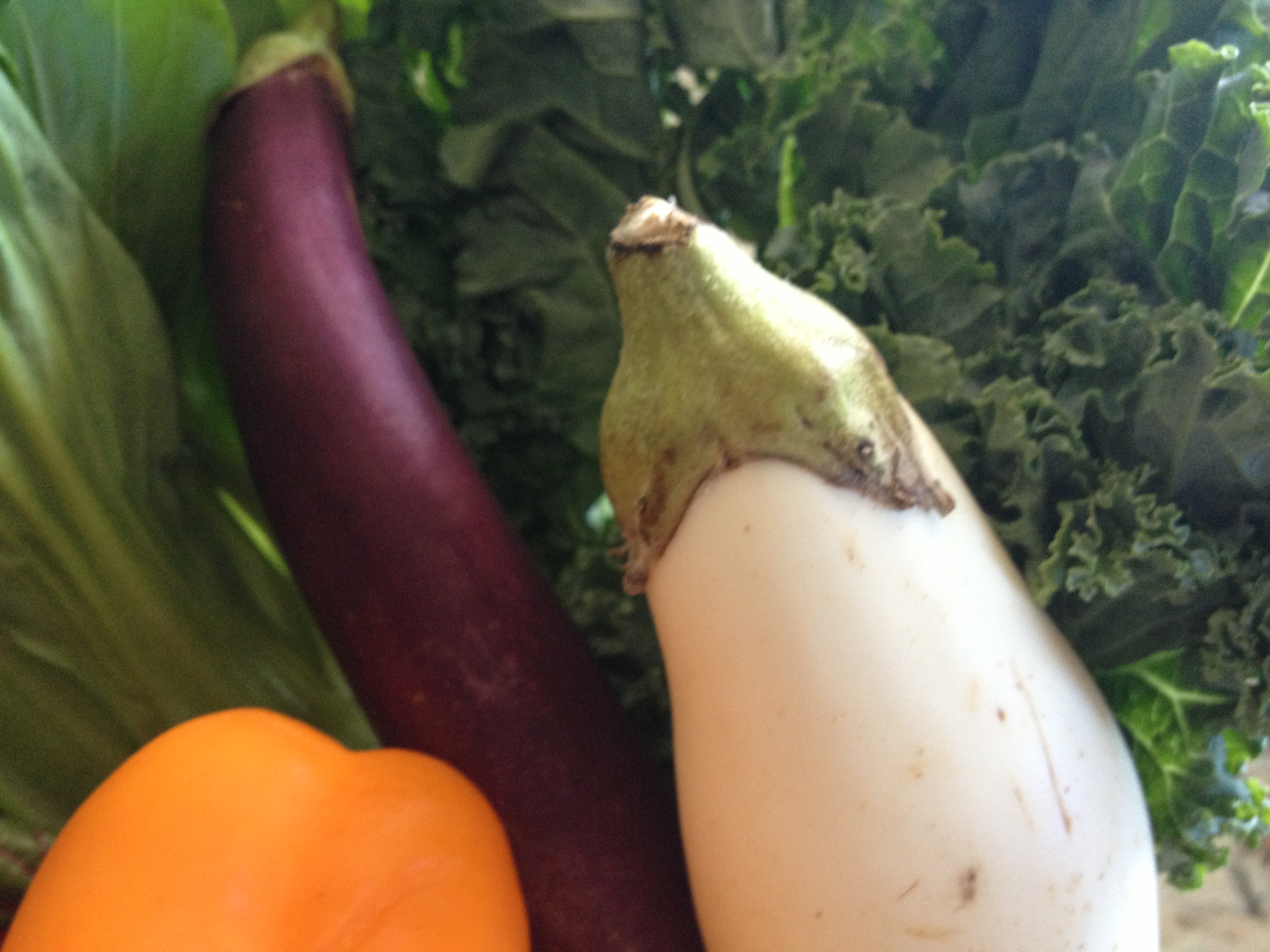
The wonderful part of this experience is discovering new foods.  The first time I got my CSA box this past summer, I found some white, pear-shaped vegetables that looked like eggplants.  They indeed were eggplants.  I never knew that eggplant could be white!

Regardless of its color, eggplant has a spongy texture with a shiny, smooth skin. Eggplant can be eaten with or without the skin.  At the center you will find soft, edible seeds that are part of the flesh.

Eggplant can spoil easily so it should be cut when you are ready to prepare it.  Because of its spongy nature, eggplants tend to absorb liquids like oil while cooking.  To reduce its absorption and its bitterness, you can salt the eggplant before cooking.  To do this, cut the eggplant as you wish, sprinkle it with salt and let it rest for 30 minutes.  Before cooking, rinse the eggplant and prepare as directed.

EggplantGrowing up we ate lots of purple (almost black) eggplant as it is a staple of southern Italian cooking.  Our mom cooked eggplant in a variety of tasty ways – fried, baked, grilled, in sauce, stuffed with bread crumbs and garlic.  Eggplant is a versatile vegetable!

Nutritional Profile and Health Benefits

Eggplant has many nutritional benefits.  It is low in fat, high in fiber and manganese.  It is also a very good source of molybdenum and potassium.  Its health benefits may include:

  • improved digestive health
  • increased cardiovascular health
  • bone building health
  • lower risk of hypertension
  • better iron movement and use within body and circulatory system

In addition, eggplant is rich in chlorogenic acid, which is a powerful antioxidant that has been attributed to anti-cancer, antimicrobial, anti-LDL (bad cholesterol) and antiviral activities. (1)

GrilledEggplantAlong with the health benefits, eggplant is a vegetable that may cause allergic reactions for some people as it is high in histamines.  In addition, eggplants are part of the ‘nightshade’ family of foods, which contain a low level of alkaloids that may cause health problems with people who are particularly sensitive to these alkaloids. (2)

Easy Recipes

For some people, eggplant is an acquired taste since it has a slight bitter taste, especially if not prepared well.  If you have not tasted it before, give eggplant a try.  Eggplants are in season between August to October; however, they are available all year round.

Popular eggplant dishes include eggplant parmesan and baba ghanoush.  The following are three eggplant recipes with a little twist:

From FreshJuice.ca, try this recipe that uses eggplant to make pizza crust:

Mediterranean Pizza

From Canadian Living.com, a vegetarian version of lasagna uses eggplant and spinach as the main events.

Eggplant and Spinach Lasagna

From Whole Foods Market, this recipe is a great vegetarian alternative.  It calls for burdock root in the recipe; however, you could easily substitute parsnips, carrots or sweet potatoes instead.

Baked Eggplant with Nutty Bulgur Stuffing

Enjoy these new discoveries!  Let us know what you like best!

References:

  1. http://www.whfoods.com/genpage.php?tname=foodspice&dbid=22
  2. http://www.whfoods.com/genpage.php?tname=george&dbid=62
  3. http://en.wikipedia.org/wiki/Eggplant#Health_properties

Recipe of the Week:  Eggplant Caponata

Posted in Recipes, Weekly Blogs | Tagged , , , , , , , | Leave a comment