

©Dana Rothstein
One of the top questions we get from friends, family and clients is:
“What types of vitamins should I be taking?”
And the answer to this question is:
“It depends!”
We are all unique and have varying nutrition habits. These two factors are important in determining whether our bodies are getting and absorbing the vitamins and minerals needed for proper functioning. Other factors like aging, diseases and infections can also affect vitamin and mineral intake???? So, the more important questions to ask are:
“What should I know about vitamins and minerals?” and “How can I make sure I’m getting what I need?”
Basics about Vitamins & Minerals
©Rodolfo Arpia
We have talked about vitamins and minerals in a earlier post titled, Getting all Your Vitamins & Minerals. It was an introduction to the subject, which we hope provided you a good base on the subject. You might want to refresh your memory by re-reading that post.
There are other sources for information about vitamins and minerals that you can check including:
- http://ods.od.nih.gov/factsheets/list-VitaminsMinerals/
- http://www.helpguide.org/harvard/vitamins-and-minerals.htm
- http://www.healthambition.com/vitamins-that-make-you-happy/
New Feature
Interest in the subject continues to be high, and so as a follow-up to our earlier post, we are introducing a new series of feature posts that will highlight 1 vitamin and 1 mineral each time.
This feature is not meant to be an exhaustive description or medical recommendation, but rather a highlight of the basics from a nutritionist’s perspective.
We begin this month by featuring Vitamin B-12 and Magnesium.
Vitamin B-12 (Cobalamin)
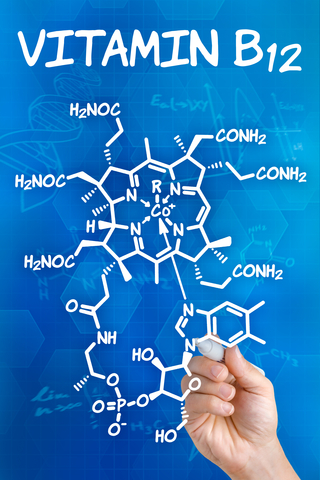
Also known as cobalamin, Vitamin B-12 is essential for a number of functions including protecting nerve cells and brain health, producing DNA, and producing red blood cells, with help from folate. It is also important in metabolizing fatty acids and amino acids.
Vitamin B-12 has a complex chemical structure that contains cobalt, hence also called cobalamin. This vitamin cannot be produced by our bodies or by animals or plants, but instead is produced by bacteria and certain microorganisms (archaea) because they have the necessary enzymes to synthesize it.
How do I get vitamin B-12?
Vitamin B-12 is naturally present is many foods, primarily animal and seafood, and is often added to certain foods like cereals, non-dairy milks, meat substitutes, nutritional yeast, and others. This vitamin may also be present in small amounts in other foods that are of a fermented nature or cultured from bacteria, such as mushrooms, tempeh, miso, etc.

©Pdiaz
According to World’s Healthiest Foods, the top sources of vitamin B-12 foods are:
- Sardines, salmon, tuna, cod, lamb, scallops, shrimp
- Beef, yogurt, cow’s milk, eggs
- turkey, chicken, cheese, crimini mushrooms
Visit the above link for details on serving sizes, calories, micrograms of vitamin B-12 contained in the foods, nutrient density and their healthiest food rating. Another list of conventional foods containing vitamin B-12 is provided by the U.S. National Institutes of Health.
Who should be most concerned about their intake?
©Liz Van Steenburgh
Vegetarians and vegans should be particularly concerned with their nutritional intake to make sure they get enough vitamin B-12. Studies on plant sources of vitamin B-12 have shown that the level of vitamin B-12 present in these foods are quite low so if you do not eat animal products or seafood you might consider taking vitamin B-12 supplements.
Older adults, people with gastrointestinal disorders or who had gastrointestinal surgery, and those with pernicious anemia may also be at risk for vitamin B-12 deficiency and should carefully consider their diet to include the proper vitamin B-12 rich foods.
Vitamin B-12 is a water-soluble vitamin, hence a concern about toxicity related to taking in more than needed is typically not an issue. However, if you are taking vitamin B-12 supplements there may be some interactions with other medications.
In all the above cases, consult with your health care practitioner to make an informed decision about supplements, their interaction with other medications, and proper diet.
Magnesium
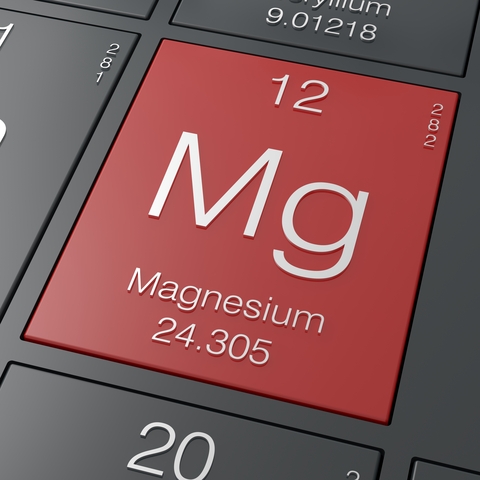
Magnesium is an abundant mineral found in our bodies, mostly within bones and soft tissues, but also in blood serum. It is essential for the functioning of hundreds of enzymes and over 300 chemical reactions in our bodies. Magnesium creates and maintains bone health, enables producing energy, maintains balance of our nervous system, and helps control inflammation and blood sugar levels.
How do I get magnesium?
Magnesium is a mineral found in vegetables such as green, leafy vegetables, in fruits, nuts and whole grains. According the World’s Healthiest Foods, top sources of magnesium include:
- spinach, swiss chard, beet greens
- pumpkin seeds, summer squash, turnip greens
- a variety of beans, sesame seeds, quinoa, tempeh, buckwheat, brown rice, barley, variety of nuts
- tuna, scallops
- raspberries, cantaloupe, strawberries, and other fruits

©Pdiaz
For a full list of foods containing magnesium and their nutritional values, visit World’s Healthiest Foods.
A lengthy list of magnesium food sources is also provided by the US National Institutes of Health.
Magnesium is also added to foods like breakfast cereal, and can be purchased as supplements.
Who should focus on magnesium intake?
People with gastrointestinal diseases like Crohn’s or celiac, type 2 diabetes, alcohol dependence, and older adults may be deficient in magnesium primarily because they:
- May not be eating a proper diet with magnesium,
- Are unable to absorb the magnesium,
- May be excreting too much of the magnesium ingested.
Once again, as with vitamin B-12, we recommend that you consult with your health care practitioner to make sure you are getting the proper levels of magnesium for your circumstances.
It’s fascinating to see how each vitamin and mineral plays a role in the proper functioning of our bodies! We will periodically highlight more vitamins and minerals over the next few months. We hope you enjoy this new feature.
References:
- http://www.whfoods.com/genpage.php?tname=nutrient&dbid=107
- http://umm.edu/health/medical/altmed/supplement/vitamin-b12-cobalamin
- http://www.veganhealth.org/b12/plant
- http://www.nlm.nih.gov/medlineplus/ency/article/002423.htm
- http://lpi.oregonstate.edu/infocenter/minerals/magnesium/
- http://www.whfoods.com/genpage.php?tname=nutrient&dbid=75
- http://ods.od.nih.gov/factsheets/Magnesium-HealthProfessional/
- http://www.healthambition.com/best-form-of-magnesium/





 Aspire, Perspire, Nourish Yourself
You must be logged in to post a comment.