

©Galina Barskaya
Do you jump out of bed and start doing jumping jacks or hit the elliptical? Maybe that’s your wake-up routine, but most of us need a cup of coffee and a lazy stroll around the house to wake up our muscles.
Some people just don’t like to warm up, stretch or cool down. When you’re rushed to fit in your regular workout, it might seem like warming up or cooling down is wasting time but it may help keep injuries at bay.
We have a friend who says, “Guys don’t do that stuff!” If you subscribe to this thinking, we ask you to suspend that thinking, do the research, and decide if warming up and cooling down makes sense for you.
Over the years, the idea of warm ups and cool downs has been debated, researched, and has evolved. So, what’s the deal with these routines? Should you do them? In this post, we look at the issue of pre-and post-workouts from the perspective of the everyday health seeker and not from a pro athlete who is trying to improve performance.
The Debate

© Pipopthai | Dreamstime.com – People Talk In Speech Bubbles, Isolated With Clipping Paths. Soc Photo
As with any opinion (and most research), there are multiple sides to a story, and getting to the core of it can be confusing because the truth is based on so many contextual circumstances and personal interpretations. For instance, as a recreational athlete, are you trying to improve performance? If so, what kind of performance? Are you injured? What’s your competence level with the activity or sport performing? What primary muscles are used in the activity?
All of these factors determine if and what kind of warm up and cool down you should do. The research on warm ups and cool downs is mixed because it measures different things. For instance, some research compares benefits and drawbacks between static and dynamic stretching (see our past post on stretching) . Other research looks at whether warming up improves performance or reduces muscle soreness. The list goes on, with some studies having more merit than others. Dr. Gary O’Donovan compares some of the research on stretching related to warming up.
Here is our quick take on warming up and cooling down:
Warming up and cooling down makes physiological sense. To get the best effect, be clear of the purpose, and be sensible with intensity and length of pre-and post-workout routines.
Why Warm Up?
To get from an inactive state, like sleeping or sitting, to an active state, like exercising, we need some priming of the muscles and joints. Generally, warm ups are made to get your muscles warmed, joints loosened up, and all ready to perform.
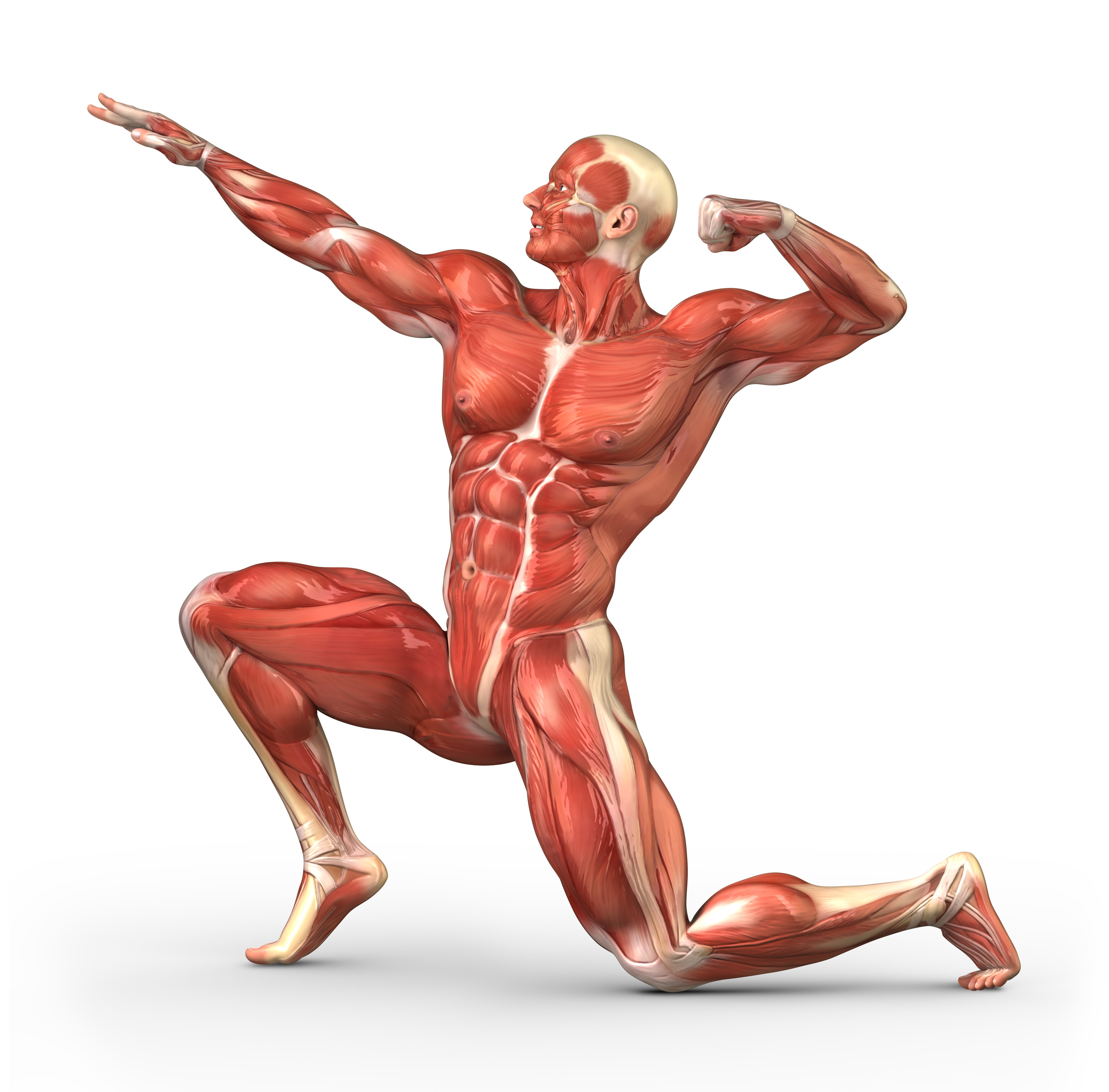
Muscles create movement through contraction and electrical nerve impulses. Proper warm ups help muscles contract faster and hold the contractions for longer periods, increase the electrical activity of a muscle, increase its maximum strength, and improve connective tissue’s ability to withstand force. All of these factors can help reduce potential injuries. (Ref, International Sports Sciences Association, pp. 217-218.)
From a psychological perspective, warming up can also help you get in the groove. Most people say that the toughest part of exercising is getting started. Once they’ve started their activity, the task gets easier. Mentally, warm ups may get your brain in gear to work harder or run faster!
When and How to Warm Up?
If you’re hoping to improve performance, research your specific sport to understand how warming up will help you get that edge. For example, static stretching before a workout that requires flexibility such as gymnastics may be beneficial; however, dynamic stretching like butt kicks or jogging slowly may be better for runners. Generally, the most recent thinking is that static stretching should be done after your primary workout (cool down) and dynamic stretches specific to your sport before the main activity.
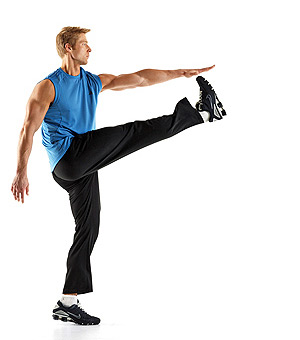
Learn about the type of warm up activities that may help to prep you for the activity to come. They should be movements specific to your sport. For example, before running, leg swings help to loosen up hip flexor muscles. A few golf swings or torso twists before hitting the links may help with your back and shoulder muscles.
Remember, warm ups should not be so long or hard that you are tired before you begin your workout. Five to 10 minutes for warming up should be sufficient. The warm up prepares you to work at full potential during the workout to come!
Why Cool Down?
As you wind down your workout, it’s time for your heart rate to slow down, and body temperature to lower. During exercise, blood gets redirected to where it is needed most; that is, away from the heart, kidneys, liver, stomach, intestines and towards the extremities used for exercise. After workouts, you want to help your body return to its resting rates, doing it gradually through a cool down period.
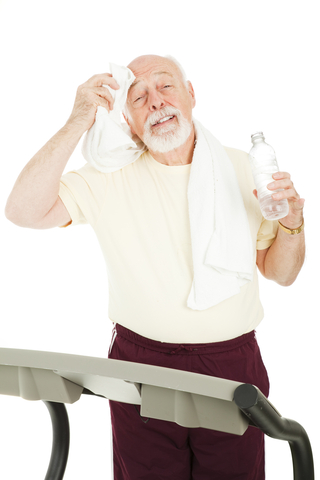
An aerobic, light cool down (like walking) can also reduce muscle soreness after exercise since it will remove lactic acid accumulated in the muscles and helps repair micro-tears created in the cells during intense workouts. Repairing of microtrauma is best dealt with through rest.
How to Cool Down
Cool downs need not be lengthy or intense. Five to 10 minutes should suffice, with activities that slow down heart rate, and stretch out large muscles used during the workout. For example, after your elliptical workout, walk around the gym for a few minutes, do some walking lunges, a few arm circles, and then some static stretches on a mat.
Don’t confuse your cool down with a more extensive flexibility and stretching routine. We’ve discussed the importance of working on your flexibility through stretching in a past post. Cool downs are short activities done to gear down your heart rate and muscles from your workout.
What’s Your Routine?
We’d love to know about your warm up and cool down routine! Do you make time for these activities or simply skip them? How have these helped you? Please share with us in the comments section.
References:
- Fitness: The Complete Guide. Official Text for ISSA’s Certified Fitness Trainer Course, International Sports Sciences Association, Carpinteria, CA, pp. 217-219.
- http://www.brianmac.co.uk/warmup.htm
- http://www.pponline.co.uk/encyc/warming-up-the-latest-research-into-stretching-42328#
- http://www.ncbi.nlm.nih.gov/pmc/articles/PMC3273886/
- http://www.mayoclinic.org/healthy-lifestyle/fitness/in-depth/exercise/art-20045517?pg=1






 Aspire, Perspire, Nourish Yourself
You must be logged in to post a comment.