
 The Honolulu Marathon is one week away and I’m getting nervous. As the day approaches my mind fixates on the event. What time do I need to get up for the 5 am start? What am I going to eat that early? Can my body manage one more marathon? What am I going to wear? Remember to buy more glide! How am I going to get through this? These questions endlessly loop through my mind for every race. The nervous energy that builds up in my body to countdown just keeps bubbling up in my brain.
Like every race, important business meeting, personal challenge, or any activity that means something to me, I need to be fully ready to feel at ease. For this marathon, my body is as ready as it’s going to be and now it’s time for my mind to get in sync. What’s my mantra for this event?
Using Mantras

http://www.theemotionmachine.com/ your-mantras-for-the-new-year
With every challenge, whether physical, emotional or intellectual, I give myself a mantra to help me focus. These mantras are specific to the situation and represent a positive energy to connect my thoughts to my actions. The mantra tells my brain how to feel and what’s the desired outcome. For instance, at the upcoming race my mantra is “strong and steady.” These two words are comforting, easily spoken in my brain as I breathe in rhythm, and tell my body – and specifically my legs – to stay strong and run steadily. I’ll let you know next week how well this mantra worked for me!
In other situations where I’ve been nervous about the event or performance, mantras I’ve used are:
- “You know your stuff”
- “Stay with it”
- “Time to Shine”
- “Smile”
- “Feel the Power”
- “Grounded and Real”
Sometimes my mantra is an image like a race finish line, a family member’s smiling face or special look ingrained in my brain.
Psychology of Mantras
The brain is a powerful system. I believe that sometimes it controls and other times it’s controlled. The intricate connection between mind and body is astonishing and I find it amazing how playing with one leads the other to follow.
The science of neuroplasticity demonstrates that we can re-wire our brains with practice. Research shows that people who suffered critical injuries have been able to regain functioning using neuroplasticity protocols.
 Experience from sports psychology and positive psychology also support the use of mantras to enhance performance. From Appreciative Inquiry, two principles in particular that speak to the power of the mind are:
- We see what we focus on, so make it positive. In other words, our beliefs (based on personal experience and perspective) are what we see. If we focus on pain, we see pain. If we focus on rhythmic breathing, we see rhythmic motion. Mantras need to be worded positively.
- Language creates our reality through images in our brain. What does the word “white” bring to mind for you? How about “black”? Each of these words holds an image in our brain that surfaces consciously or subconsciously and may affect the way we approach a situation. For mantras, create the most positive image you can for the words you have chosen.
A groundbreaking paper by Drs. Cooperrider and Srivastva, originally published in 1990, “Positive Image, Positive Action: The Affirmative Basis of Organizing” details some examples from research about positive imagery and the value of positive internal dialogue in health, sports situations, and life in general.
Religious Roots of Mantras
http://www.thinkabouteternity.org/ Hinduism/Hinduism%20Index.htm
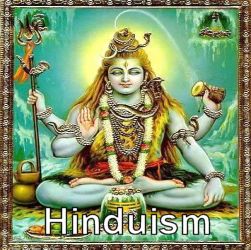
In the recent past, mantras have been linked to yoga and meditation. They are thought to have religious and spiritual roots as far back as 3000 years ago with Hindus in India. Many more religions, including Buddhism, have included mantras into their foundation of practice.
There are many schools of thought about how to structure and use mantras, as well as how effective they are. I say, “If it works for you, why not?” The literal translation of the word mantra from Sanskrit is “instrument of thought.” That makes sense to me, and connects back to the link between mind and body.
Find Your Mantra
Never used a mantra before? Give it a try, not just for your next challenge but also for everyday living. Stuck in traffic? Say to yourself, “slow, steady, and safe.”
Resources:
- http://psychology.about.com/od/biopsychology/f/brain-plasticity.htm
- http://www.runnersworld.com/race-training/magic-mantras
- Cooperrider, D. L. (2000). Positive Image, Positive Action: The Affirmative Basis of Organizing. Appreciative Inquiry: Rethinking Human Organization Toward a Positive Theory of Change. 29 – 53
- http://en.wikipedia.org/wiki/Mantra




 Aspire, Perspire, Nourish Yourself
You must be logged in to post a comment.