 For something so essential to our health, many people know little about vitamins and minerals. Just as you would do your research before buying a new vehicle, you need to learn about vitamins, minerals, supplements and how to best get what your body needs.
On an average day, the first question asked in one of my nutritional consultations or when someone knows that I’m a nutritionist is, “Should I be taking vitamins? If so, what kind? What do you take?” These questions can only be answered by carefully reviewing your individual profile. People may have different needs based on their eating habits, genetics, medical issues and environmental factors to which they are exposed.
The Basics: Vitamins & Minerals
“Vitamins and minerals play an essential part of how our body functions and stays healthy. Vitamins work individually for certain purposes but function properly as a partnership with other vitamins and minerals in our body. They need other nutrients and substances within our body to process and function well to achieve their full potential.” (http://www.content4reprint.com/health/nutrition/the-role-of-vitamins-and-minerals-in-health-and-wellness.htm).
There are two types of vitamins: fat soluble and water soluble. The fat soluble kind are Vitamin A, D, E, and K. They are absorbed like fats into the lymph and then the blood, and they get stored into our liver or fatty tissue. Fat soluble vitamins build up into our tissues and are accessed by the body when it needs them. As the fat soluble vitamins are not easily excreted from the body, taking high doses of these vitamin supplements may be toxic to your system.
Water soluble vitamins are Vitamin C and the B Vitamins (Thiamin, Riboflavin, Niacin, Vitamin B-6, Folate, Vitamin B-12, Biotin, and Pantothenic Acid). They go directly into the blood and most are not stored in the body. Toxicity with these vitamins is possible when high doses of supplements are taken but unlikely because they are readily excreted in the urine. These kinds of vitamins are needed in frequent doses (1 to 3 days), while fat soluble vitamins are needed in periodic doses (perhaps weeks or even months) (1)
“Minerals are also essential nutrients for your physical and mental health. Minerals form part of the tissue structures and are components of the hormones and enzymes that regulate your immune system processes, the growth and energy in your body. The enzymes and hormones depend on minerals to function properly.
Minerals regulate the flow of fluids and water levels in the body. They are necessary to rejuvenate your energy when you become fatigued and help improve your memory and concentration. Minerals also help strengthen the nervous systems and the skeletal system. Minerals are necessary for hair growth, to keep your heartbeat normal and many other functions.” (http://www.content4reprint.com/health/nutrition/the-role-of-vitamins-and-minerals-in-health-and-wellness.htm)
There are also two kinds of minerals: macrominerals and trace minerals (also known as microminerals). The difference is that macrominerals are needed in the body in larger amounts (100 milligrams per day or more) and trace minerals are needed in smaller amounts (less than 100 milligrams per day). Although they are needed in different amounts they are both critical to our healthy functioning.
The macrominerals include: Calcium, Chloride, Magnesium, Phosphorous, Potassium, sodium and Sulfate. The trace minerals include: Iodine, Iron, Zinc, Selenium Flouride, Chronium, Copper, Manganese, Molybdenum. (2)
If you are interested in learning more about vitamins and minerals, visit http://www.cdc.gov/nutrition/everyone/basics/vitamins/, http://ods.od.nih.gov/factsheets/list-VitaminsMinerals/, or read the book by Phyllis A. Balch, CNC, Prescription for Nutritional Healing, Fourth Edition, London, England: Penguin Books Ltd., 2006.
Taking Vitamins and Minerals Supplements
 Although consuming whole foods, especially fruits and vegetables, is the best way to get your vitamins and minerals, you may be advised to add dietary supplements to your food intake. There are a host of reasons for doing so, including:
- when experiencing high levels of stress
- if you are pregnant, breast feeding or experiencing menopause
- If you are a young adult or elderly person who does not eat a balanced and varied diet
- If you are dealing with an illness and taking medication. Caution: If you are taking medication, please discuss taking vitamins and minerals with your physician. There are cases in which interactions with medication can be fatal.
- If you have an identified deficiency in a vitamin or mineral.
- If you are a vegetarian or vegan.
In addition, there is growing belief and evidence that farming soils around the world are depleted from the essential minerals due to overfarming and use of herbicides and pesticides. In addition, fruits and vegetables are picked before appropriate ripeness to preserve in transportation. As a result, our food today contains less vitamins and minerals than it did in the past. To read more about demineralization of soil:
http://www.nutritionsecurity.org/PDF/NSI_White%20Paper_Web.pdf
http://www.dailypaul.com/92623/1936-us-senate-report-soil-depleted-99-of-americans-nutrient-deficient
http://native-elements.co.uk/#/soil-depletion-facts/4548669199
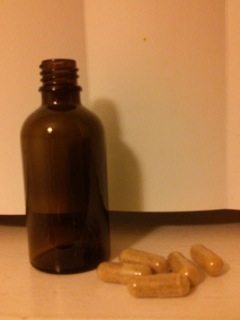
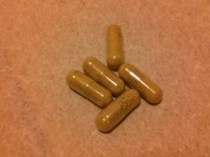 If you decide to use a supplement, be sure to buy a high quality one from a reputable company that does research on their products and can provide you with the scientific studies conducted on the quality and effectiveness of the product.
Also remember that taking supplements should in no way be a substitute for eating the right foods. A document from the University of Minnesota provides a list of food sources of vitamins and minerals. You can also search for the nutrient value of a specific food by visiting the USDA’s National Nutrient Database for Standard Reference.
Aim to include a variety of foods into your diet for the best chance to get as many of your vitamins and minerals.
References:
(1) & (2) Notes from Coursera course, Nutrition and Physical Activity for Health, University of Pittsburgh, Modules 6 and 7, July/August 2013.
Sizer, F. and Whitney, E., Nutrition: Concepts and Controversies, 12th ed., Belmont, CA: Wadsworth, 2011.
http://ods.od.nih.gov/Research/PubMed_Dietary_Supplement_Subset.aspx
http://www.drrons.com/making-sense-of-nutritional-supplements.html


 Maybe your favorite vacation was when you cycled through France or Italy, enjoying the cuisine and wines of the country or when you stayed home and visited all the local attractions. Maybe it was when you kicked back and read a bunch of books or played a record number of golf games. Whatever it was, recall some of your favorite vacations. Think about what was best about them.
 By reflecting on your best vacation experiences, we know you’ll find some common themes. Perhaps you enjoyed the foreign travel, cultural experiences, being physically active, spending quality family time, being home, learning about new things, warm weather, etc. All of these give you clues about how you may want to spend your time going forward.
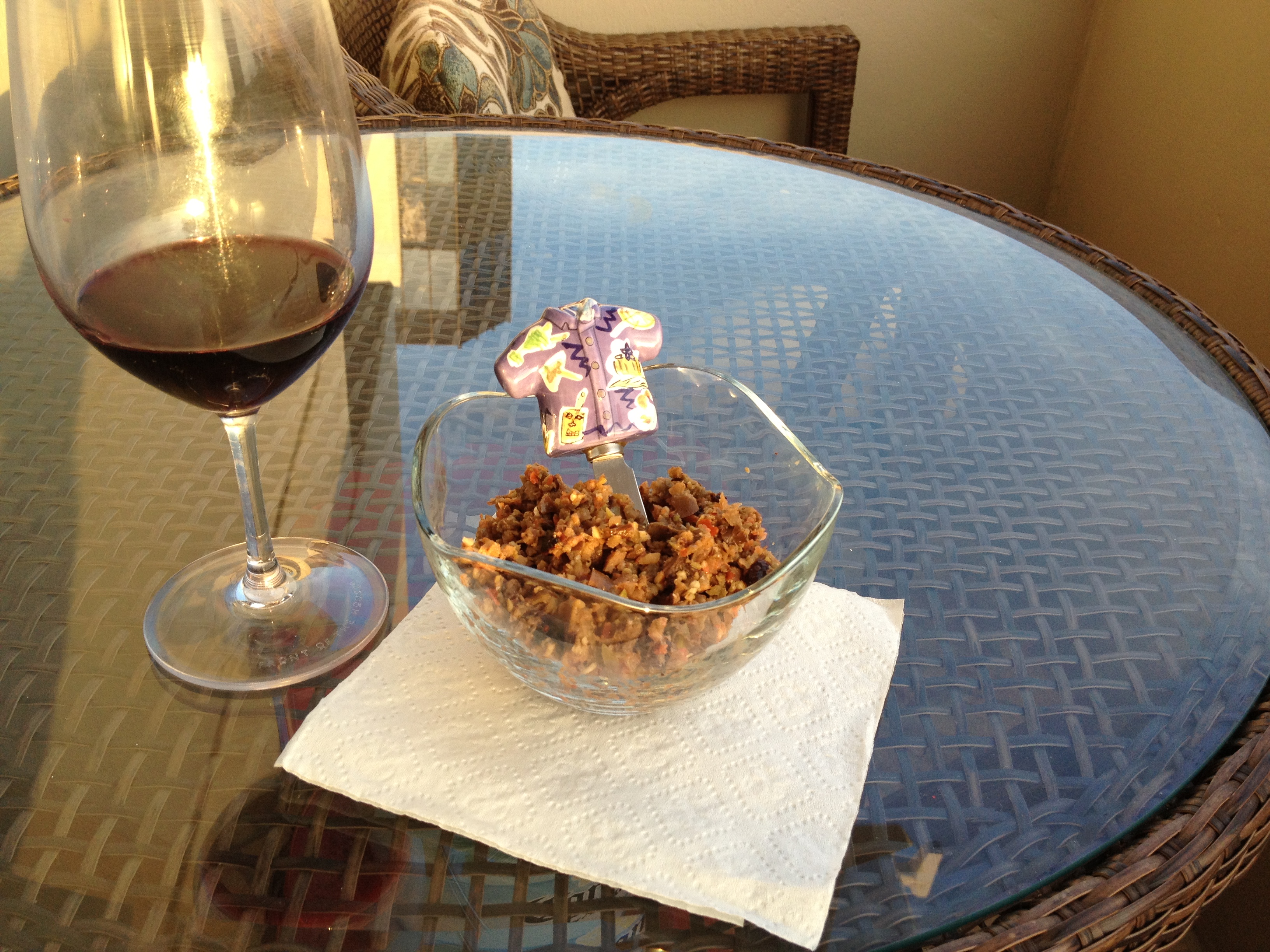 Okay, so now you’re saying, “Where is this going? Vacations are vacations and real life is different.” We challenge you to double your most enjoyable moments over the next year, or at the very least to increase them. Think of ways to incorporate more of what you like in everyday life. By adding more of what you like, crowd out the stuff you don’t like. To achieve this you will be forced to make choices about how to use your time and what’s most important to you. Use what you’ve learned from your vacations to make those choices. Being clear about these priorities will help you get closer to living your most enjoyable life!


 Aspire, Perspire, Nourish Yourself
You must be logged in to post a comment.