
Getting a CSA bag from Oahu Fresh has been a treat. Each week, they include a variety of locally grown fresh produce and fruits. When I get the list of what’s going to be included in the week’s bag, I dream up what’s cooking for the coming week.
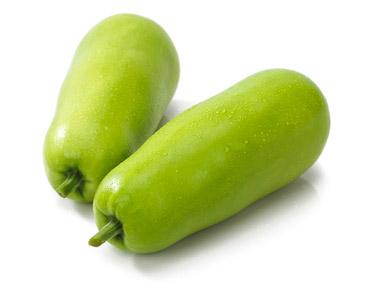
The past week, the bag included a Long Squash, which is a type of summer squash. Growing up, this vegetable was a staple in our household. Every summer, we had a friendly competition among extended family for the best grown ‘cucuzza’ or ‘zucchina’ (Italian words for long squash). There was great pride in growing long squash in the backyard gardens of Toronto. Our brother continues that tradition!
How is Long Squash different from other Squashes?
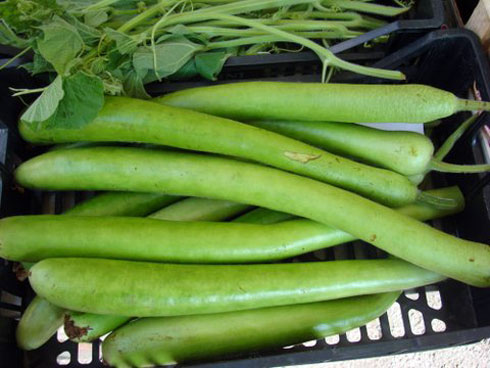
There are so many different kinds of squashes. The common ones are butternut, acorn, calabaza, delicata, pumpkin, and spaghetti. Information on long squash is limited as most of the internet sources focus on zucchini as a summer squash. Nevertheless, based on our personal experience with long squash, it is quite a bit more delicate than a typical winter squash.
The skin of a perfectly harvested long squash is thin and edible, and the seeds are also tender enough to eat. If the long squash is grown too big, or not picked at the right time, the squash will become too hard and the inside flesh will have too many seeds.
The flavor of a long squash is also different than a butternut or other typical winter squash, and some people think its taste is bland. The flavor seems to be more related to its melon and cucumber roots than its winter squash roots.
Nutritional Profile and Health Benefits*
*Note that this portion of the post is based on information about summer squash in general rather than long squash in particular.
Summer squash is low in fat and calories. One cup of cooked squash is only about 36 calories. The fat in summer squash is particularly good as it contains omega-3’s, monounsaturated and medium chain fats. Summer squash is also loaded with vitamins and minerals, and considered:
- Excellent source for copper and manganese
- Very good source for vitamin C, magnesium, phosphorous, fiber, potassium, folate, vitamin B6, vitamin K
- Good source for vitamin B1, B2, B3, zinc, omega-3 fats, pantothenic acid, iron, calcium, choline, protein.
With all these nutrients, you can see why summer squash is a perfect veggie to meet our body’s antioxidant needs. In particular, summer squash contains two carotenoids, lutein and zeaxanthin, that are helpful in maintaining eye health. Studies have also shown that summer squash may be beneficial for blood sugar regulation because of all the B vitamins contained in summer squash along with zinc, magnesium, and omega-3 fats.
Easy Recipes
The best way to preserve the nutrients (and specially antioxidant properties) of summer squash is to steam it. The skin contains many of the nutrients so preferably eat it with the skin.
Along with our original recipe for this week, Long Squash Chickpea Stew, the following are a couple of recipes you might like to try:

This recipe is an Italian tradition – bean pasta with long squash. The recipe calls for using the tip end of the vine of the long squash in the recipe but you can easily omit this ingredient. If you are growing your own long squash or know someone who is, then give those vines a try. They are tasty cooked in different ways or added to your soups.
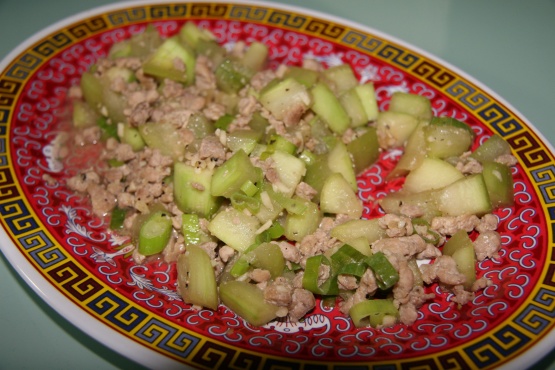
Opo is the Asian name/version for long squash. Here is a recipe using ground pork but if you prefer substitute the pork with ground turkey or chicken.
Recipe of the Week: Long Squash Chickpea Stew
References:
- http://www.whfoods.com/genpage.php?tname=foodspice&dbid=62
- http://www.specialtyproduce.com/produce/Opo_Squash_396.php
- http://www.urbanfarmonline.com/community-building-and-resources/urban-farm-bloggers/urban-farmer-rick-gush/cucuzza-squash.aspx
- http://www.vegaproduce.com/product/long-squash
- http://www.thenibble.com/reviews/main/vegetables/squash-glossary.asp





 Aspire, Perspire, Nourish Yourself
You must be logged in to post a comment.