
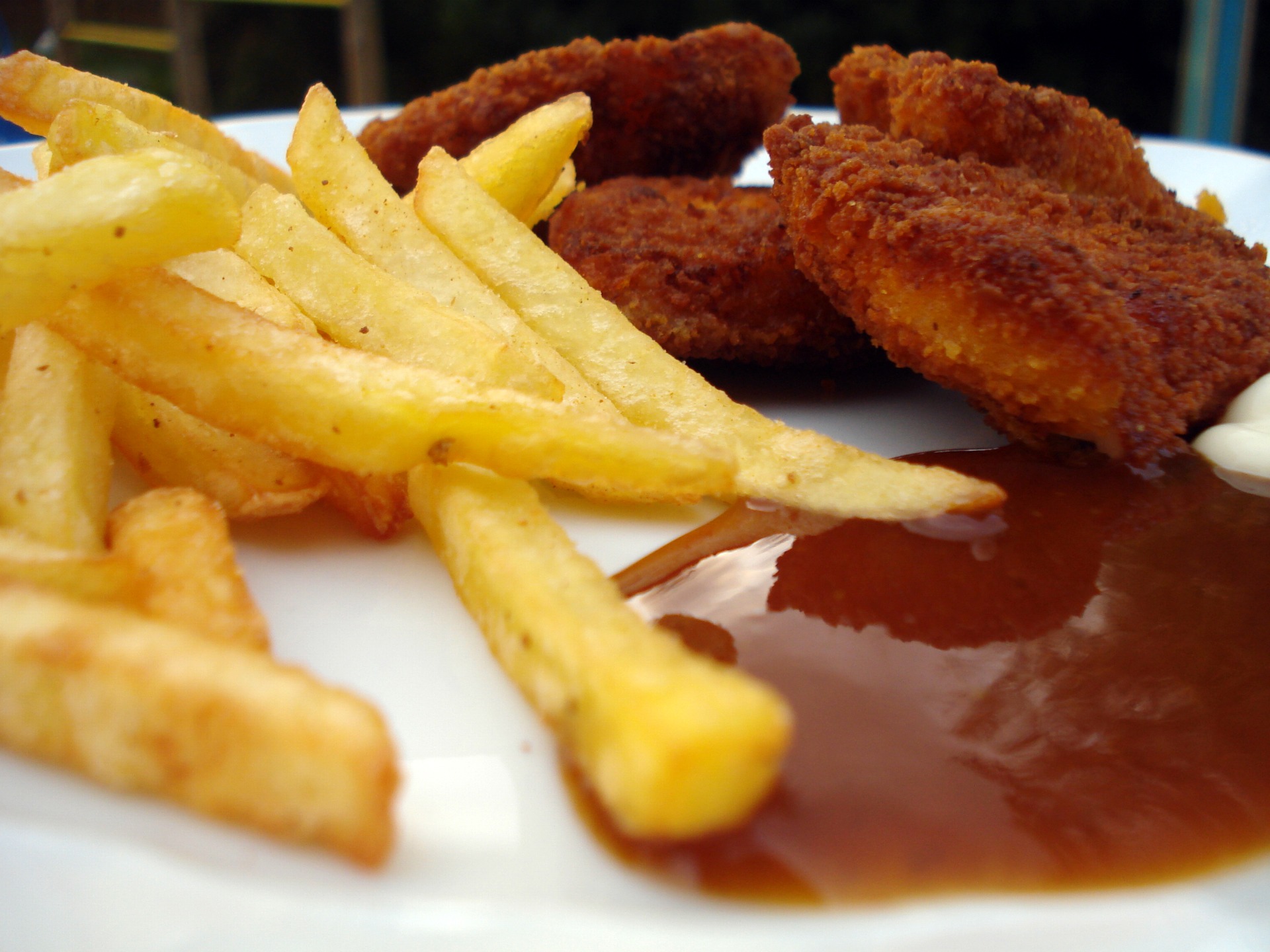
©Lebensmittelfotos
Last Saturday my son and his friend were hanging out together at our place. They surfed, skateboarded, and watched YouTube videos. At least that’s what I thought. Apparently, the boys snuck in a meal at McDonald’s late in the afternoon, just before dinner. They didn’t say anything about it until we were seated at a restaurant and about to order food! It was my son’s friend who mentioned it, while my son looked at me sheepishly.
Do you know what your kids are eating when you’re not watching? Well, I guess we can’t do much about their actions when we’re not around. We can hope, though, that our attempt to educate them about making good food choices has an impact.
On the other hand, what can we do when we are in control of their meals?
Move Slowly and Purposely…
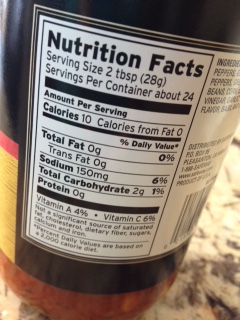 This weekend’s experience reminded me that kids are human too. Tasty food brings enjoyment to life, and fast food has its share of taste to entice kids, and many adults for that matter. Typically, items on fast food menus are loaded with sodium, fat and preservatives. These ingredients are tough to spot, and kids in particular tend to choose foods based on taste, not nutrition content.
Taking the not-so-healthy foods away from him ‘cold turkey’ has not been a strategy that has worked for me when dealing with my son. Instead, I’ve tried to ease my son into healthier eating by blending some of his favorite foods with healthier ingredients or sides. As his tastebuds have changed, he finds the fast food too sweet, too salty or too greasy.
Strategy 1 – Blend/Mix/Add/Substitute
The easiest strategy I’ve used for easing into healthier eating is to mix or blend fast foods with my own healthier ingredients.
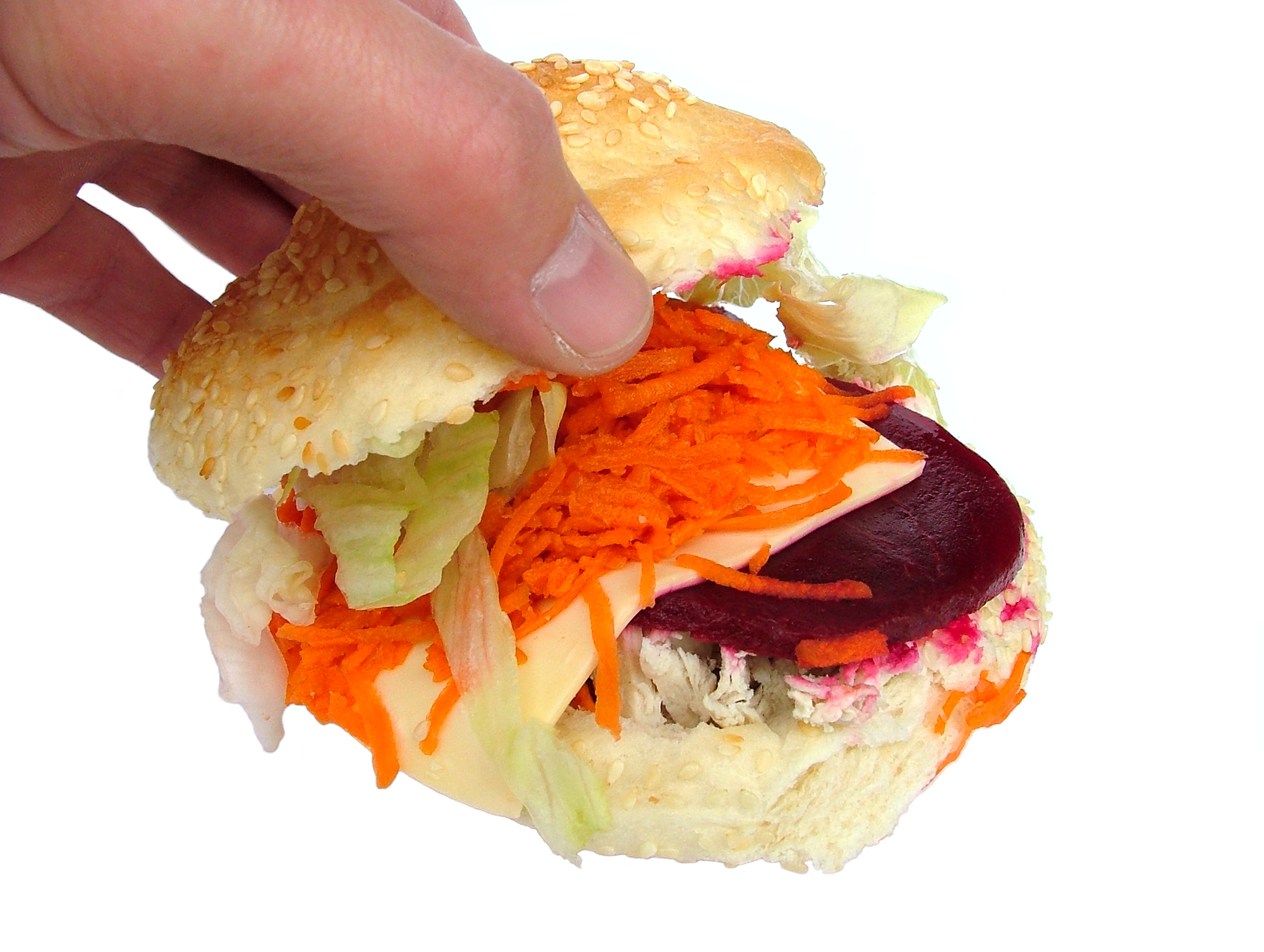
©Max Blain
For instance, my son says he loves the taste of packaged mac and cheese. Yes, I find that disturbing as a first-generation Italian! So, what I’ve done is made mac and cheese from scratch using real cheese for the sauce, and then added a teaspoon of the sauce mixture from the store bought package. The first time I did this, my son was a little suspicious of the taste, but as I persisted with this practice and slowly reduced the amount of the packaged sauce, he got used to the new taste.
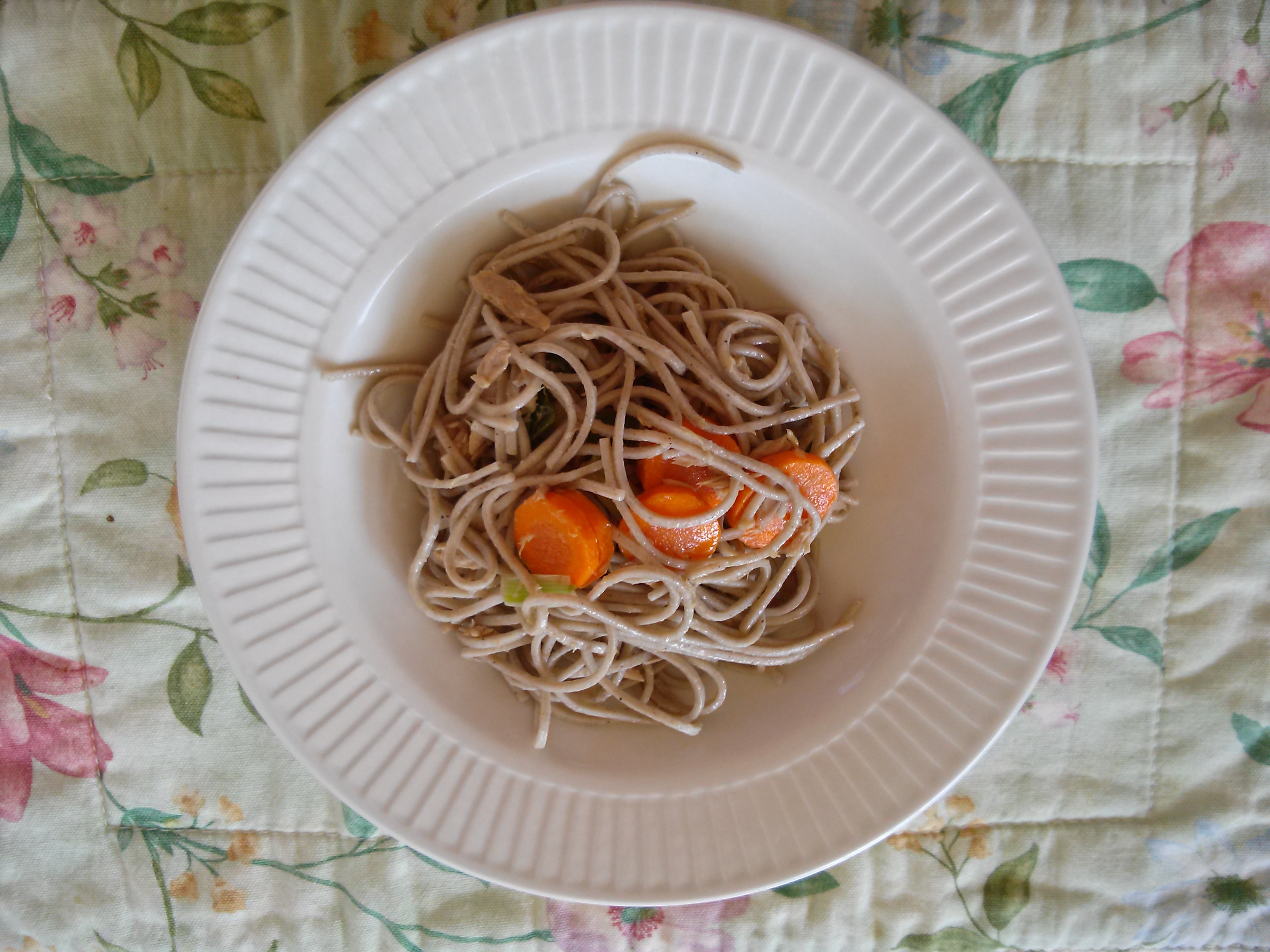
Chinese food is another perfect meal for mixing or blending. In this case, I’ve made a healthier version of chow mein using buckwheat noodles, nut butter, ginger, and fresh vegetables.

©Neil Mey
With the noodles as a base, I’ve added a few pieces of orange chicken from a Chinese restaurant’s signature dish and a vegetable dish I made at home. Doing this has cut down the calories, sodium, and preservatives my family is eating. Result: my son devoured this meal and asked if we had leftovers the next day!
Next on my agenda is trying to make my own orange chicken that my son will love. Maybe that will be next week’s recipe of the week!
Strategy 2 – Make Your Homemade Version
Another strategy that takes a little more work is making those fave fast foods at home from scratch. Of course, modifying the ingredients and cooking methods is a must to make these meals healthier.
 I’ve re-crafted many recipes from fast food restaurants such as milk shakes and smoothies, Acai bowls, chicken nuggets, fries, ice cream, hash browns, tacos, and more. The information on ingredients and nutritional content is available online for most foods. You can use this basic information to create your own versions. Keep the sugars to a minimum by reducing the amount and/or using natural sweeteners in their place, and replace artificial flavors and ingredients with fresh ones.
After a few tries, you might surprise yourself and your family. They may like your version better than the fast food version.
Read our past posts about kids and their healthy eating habits:
Share Your Ideas
What tricks do you have up your sleeve? Share your ideas for healthier eating, whether for your kids or yourself.




 Aspire, Perspire, Nourish Yourself
You must be logged in to post a comment.